
Unlocking AI's Power: How Trade Shows are Changing for Exhibitors
The landscape of live events is changing rapidly. For exhibitors looking to maximize their investment, using AI at trade shows isn't a futuristic concept anymore. It's a must-have. For years, teams poured tens of thousands into booths and travel, only to capture leads with outdated methods like fishbowls and messy spreadsheets. That era of missed opportunity is officially over. Today, intelligent, data-driven engagement powered by trade show AI changes how every conversation becomes measurable pipeline. It truly unlocks the power of in-person events.
The shift from experimental AI to operational necessity in 2026
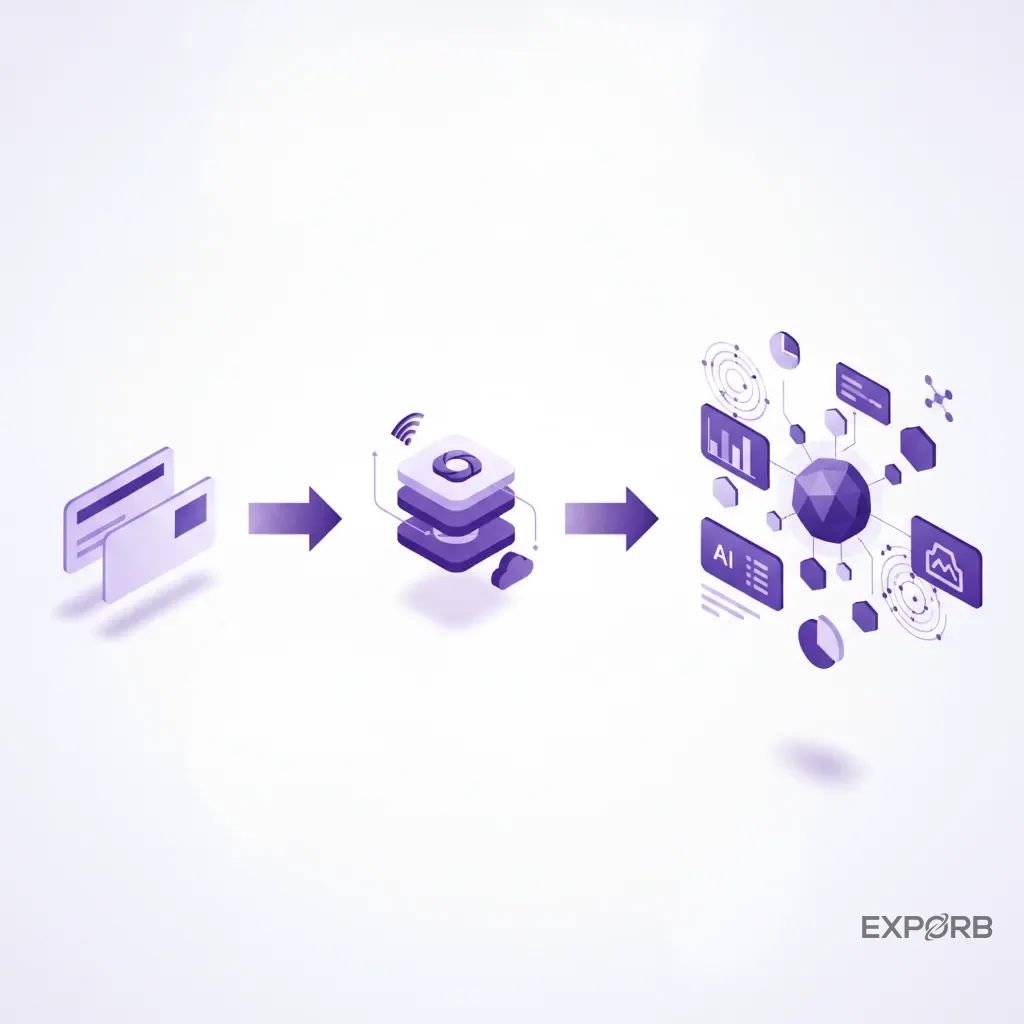
Just a few years ago, AI was a novelty. Now, it's the connective tissue of the entire event platform. Research from Map Your Show shows AI drives revenue growth for major events. That trend only accelerates. If your team isn't using it, you're starting every show at a disadvantage.
How organizer AI adoption is changing the game for attendees
Event organizers already use AI to guide attendees. They suggest sessions, map out floor plans, and—most importantly—recommend which exhibitors to visit. By 2024, 82% of organizers used AI for matchmaking. This means attendees arrive at your booth with higher intent, pre-qualified by an algorithm. You can't afford to greet them with a pen and paper.
Why traditional lead capture is no longer enough
The old way is broken. Badge scanners give you a name and an email, but they don't tell you anything about the conversation. Business cards pile up and become "dead leads" before you even fly home. You lose context, forget pain points, and your follow-up is generic. This system fails in a world that demands personalization.
Why AI is now essential for B2B trade show success
Relying on outdated lead capture methods in today's event landscape wastes revenue. Trade shows aren't just in-person anymore. They're hybrid, virtual, and noisy. Using manual methods is like bringing a flip phone to a developer conference—you're just not equipped for the environment. The expectation has changed. You measure the cost of not keeping up in lost pipeline.
Navigating the noise of hybrid and virtual formats
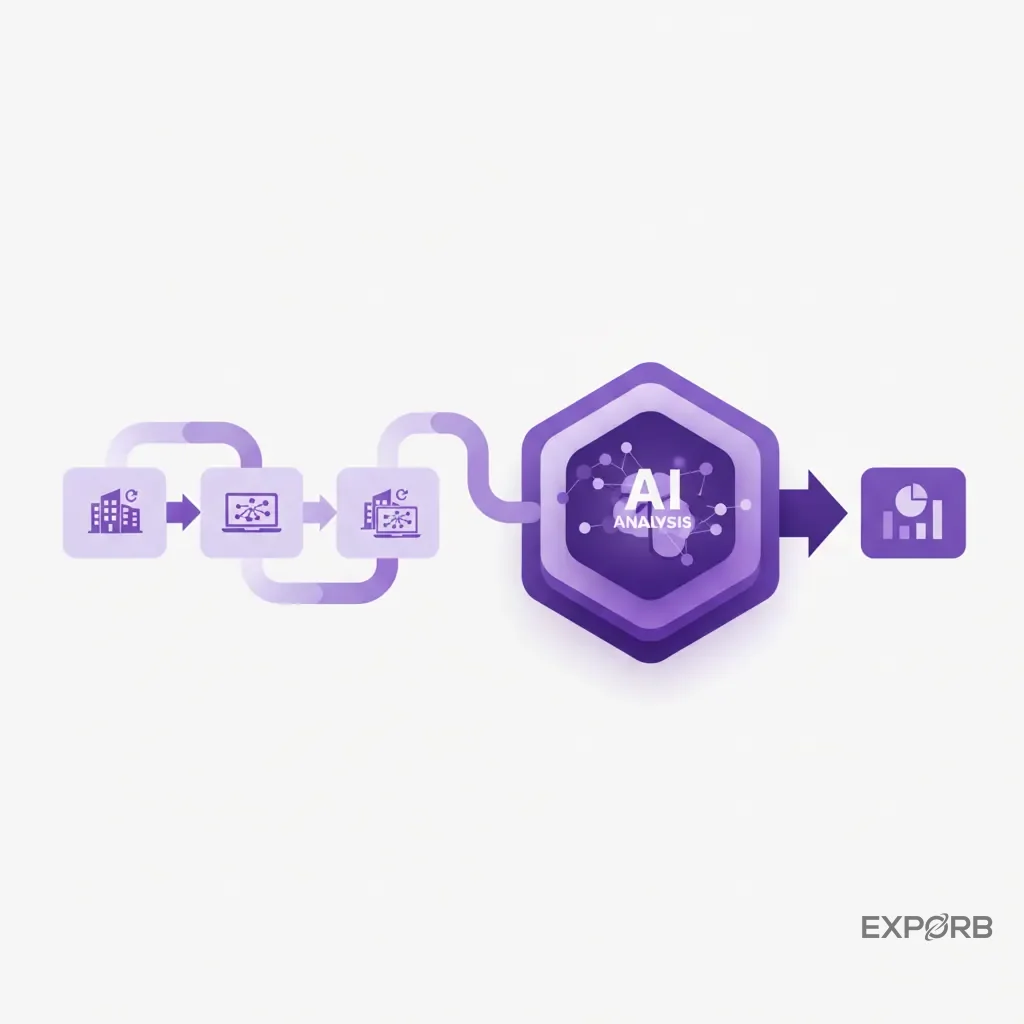
We project hybrid event adoption will hit 70% by 2025. Your strategy can't be limited to the physical show floor. AI tools unify lead data from in-person conversations, virtual booth chats, and webinar Q&As into a single, coherent profile. Without it, you're managing three different events with three different spreadsheets. It leads to chaos and missed opportunities.
Meeting the new attendee expectation for personalized engagement
Attendees know you're collecting their data. They expect you to use it for value, so don't spam them with a generic "nice to meet you" email a week later. They've just had a detailed conversation with your team about their specific challenges. AI makes it possible to honor that conversation by capturing its key details—pain points, budget, timeline, next steps—and using them to craft a follow-up that actually helps them.
The competitive disadvantage of relying on manual data entry
Let's be honest. You face a soul-crushing, week-long nightmare of post-show data entry. Your team's tired, details are fuzzy, and momentum's gone. While you're deciphering handwritten notes and typing business cards into a CSV, your competitor, who used an AI tool, has already sent personalized follow-ups to their top 20 leads—from the show floor. They're booking demos while you're still building your list. That's the new reality.
The Complete Guide to Trade Show Lead Capture
How does AI help you find and qualify better leads at the booth?
The biggest challenge at any trade show? The black box of conversations. Leaders have no visibility into what their teams are actually learning. Your team might have 100 conversations, but you have no idea which 10 mattered. AI solves this by turning unstructured conversations into structured, practical data.
Scenario: The founder's blind spot into team conversations
Think about your last trade show. Your top sales rep, Sarah, had a fantastic conversation with a prospect from a Fortune 500 company. They discussed a specific integration problem, a Q3 budget cycle, and a plan to connect with their VP of Engineering. What makes it back to the CRM? "John Doe - Acme Corp - Good Lead." The entire value of that conversation is lost. It lives only in Sarah's head, and she's got 99 other people to remember.
Using AI to capture and structure every conversation automatically
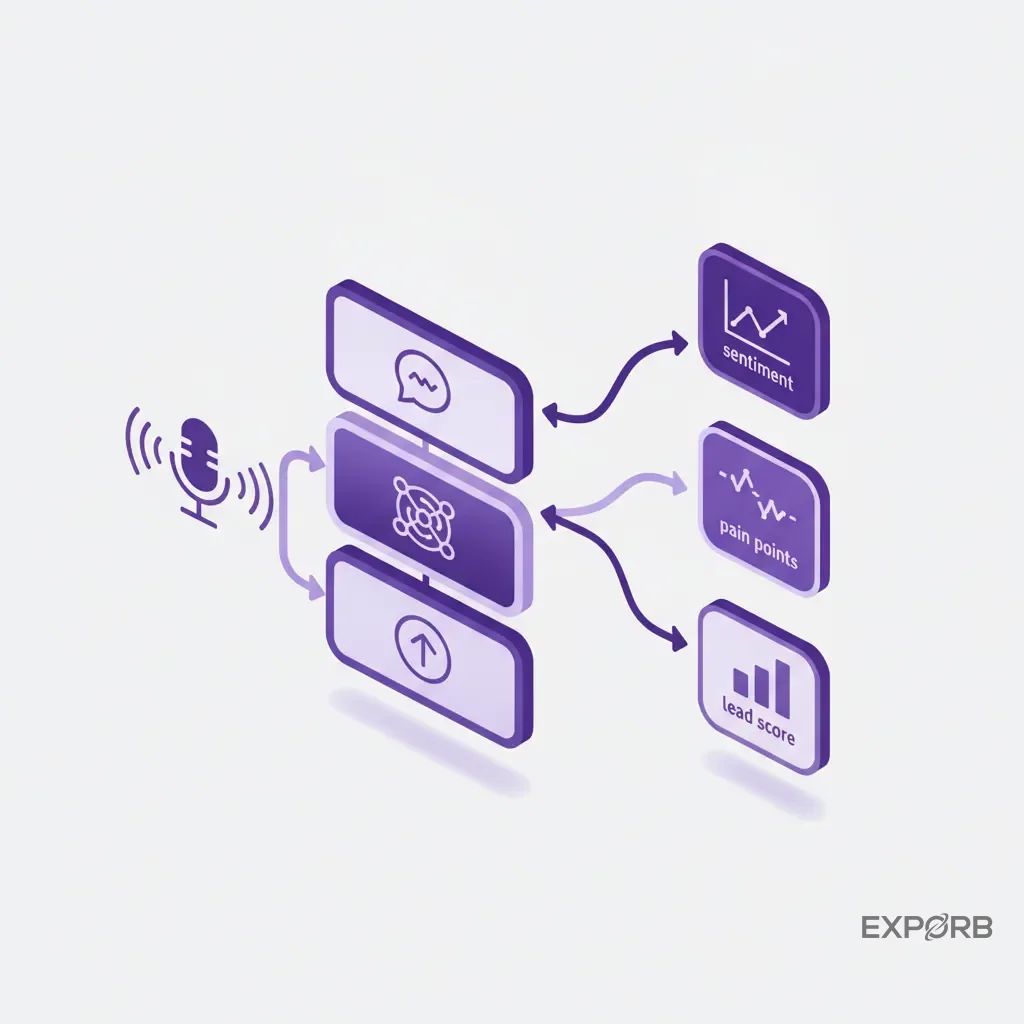
This is where AI changes everything. Instead of scribbling messy notes, your team can simply record a conversation summary. At Exporb, we built our tools so your team can simply record a conversation summary. AI tools then transcribe these voice notes, analyze the content, and automatically tag the lead with key interests, pain points, and buying signals. That "good lead" from Acme Corp is now enriched with details like "pain point: API integration," "timeline: Q3," and "next step: introduce to VP of Engineering." The founder can see this in real time—no more black box.
Real-time lead scoring based on spoken intent signals
You shouldn't have to wait a week to know your hottest leads. AI can score leads instantly based on the content of the conversation. Did the prospect mention "budget," "timeline," or a competitor's name? That lead's score climbs. Did they say "just browsing" or "send me a brochure"? Their score drops. This allows your team to prioritize follow-up on the spot and lets leadership see the true quality of the pipeline they're building—live from the show floor.
Do this, not that: What are the best practices for implementing AI?
Adopting AI means changing your workflow, not just buying a flashy new app. Many exhibitors make the mistake of treating AI as a gadget rather than a strategy. They buy a tool that scans business cards slightly faster but doesn't solve the underlying problem of lost context and slow follow-up. That approach is wrong.
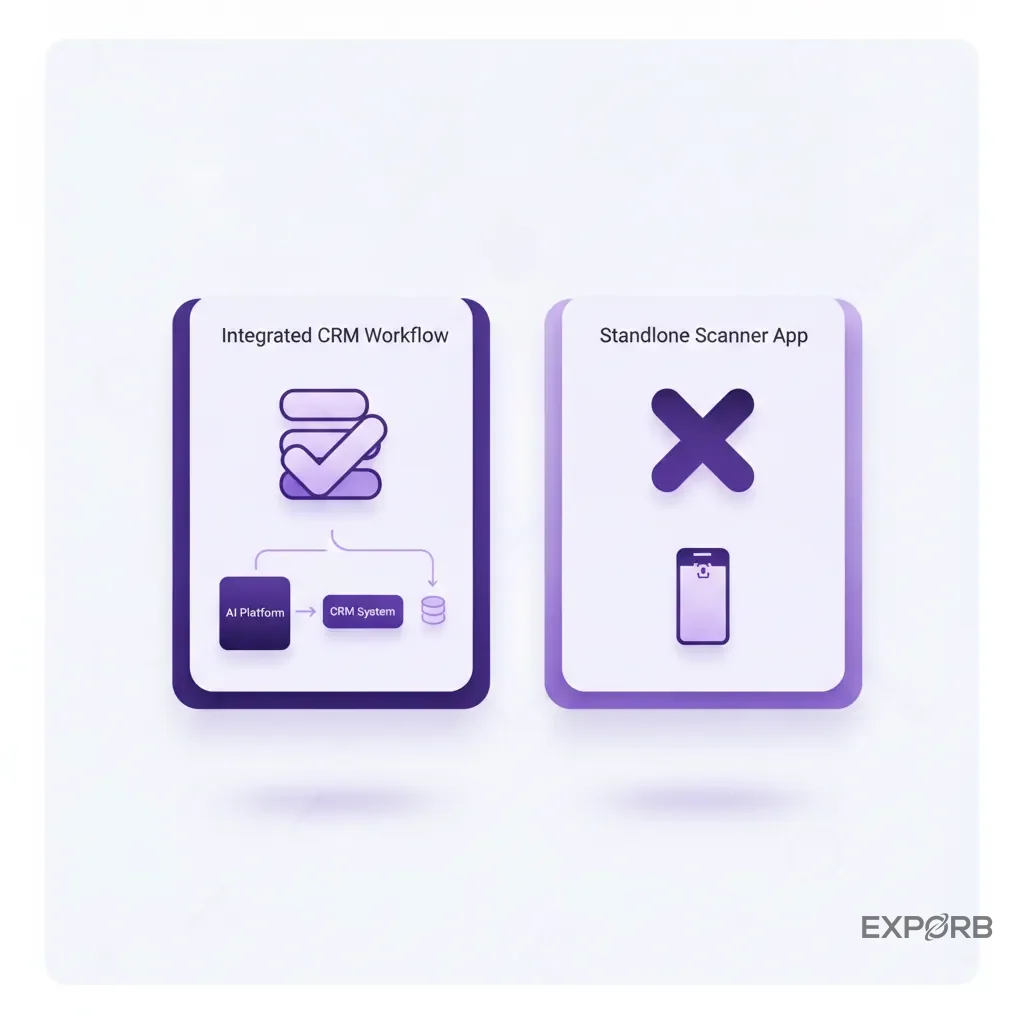
Do: Integrate AI capture directly into your CRM workflow
The goal is to get high-quality, enriched data into your system of record as fast as possible. Your AI tool should be the front end of your sales process, integrated, not a separate island of data. The workflow should be smooth: capture the conversation at the booth, let AI enrich the lead with notes and scores, and then push that complete profile directly to your CRM. A good system provides clean CRM export so your sales team can get to work immediately.
Don't: Treat AI as just a better business card scanner
A business card only tells you who someone is. It doesn't tell you what they need, why they stopped by your booth, or how you can solve their problem. Focusing only on name and email is a race to the bottom. The real value of AI at trade shows is capturing the intent behind the visit. If your tool doesn't help you do that, it's just a digital fishbowl.
Comparing manual vs. AI-powered lead capture workflows
The difference is stark. This isn't an incremental improvement; it's a fundamental change in speed, quality, and visibility.
A comparison of manual lead capture versus an AI-powered workflow at a trade show.
How can AI build attendee and exhibitor confidence?
There's natural skepticism around new technology, especially when it involves conversations and data. But correctly implemented AI actually increases trust. It replaces the creepy, opaque data collection of the past with a transparent, consent-based process that provides real value to both the attendee and the exhibitor.

Ensuring data privacy and compliant lead capture in 2026
Privacy regulations aren't going away. Using a structured AI system helps you stay compliant. Instead of a pile of business cards with no record of consent, a digital trail documents every lead. You can document when and how you captured their information. It professionalizes your process and shows you respect attendee data—a powerful trust signal.
Using AI-driven insights for relevant, trust-building follow-ups
What builds trust faster than showing someone you were actually listening? When your follow-up email references the specific pain point they shared or the next step you both agreed on, it proves you see them as a person, not merely a name on a list. It changes the entire dynamic from a cold sales pitch to a continuing conversation. At Exporb, we use conversation context to help you draft personalized follow-up emails right at the booth, so the context is still fresh.
Moving beyond facial recognition to consent-based conversational intelligence
Let's be clear: we're not talking about surveillance. Creepy tech like facial recognition or tracking attendees without their knowledge destroys trust. The right way to use AI is a tool for better note-taking, with full consent. You're not secretly recording them; instead, you use a tool to remember what you talked about so you can serve them better. It's a digital memory aid, not a spy gadget. This transparent, value-driven approach is the only sustainable path forward.
What does a real-world AI workflow look like for a small team?
So, how does this actually work on a chaotic show floor? It's simpler than you think. A good AI-powered system removes complexity, it doesn't add it. Here's a step-by-step look at how a small exhibiting team can use a tool like Exporb to run a world-class lead capture operation.
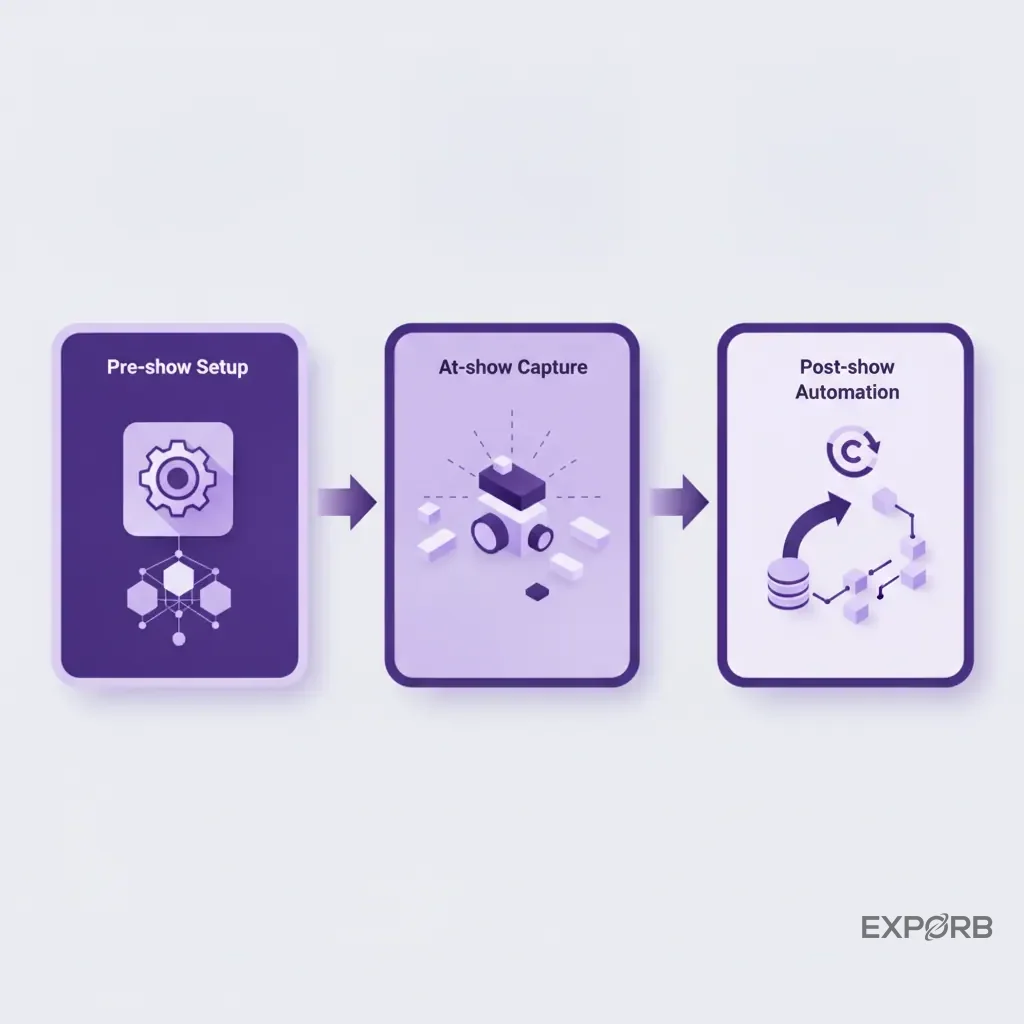
Step 1: Pre-show setup with an AI-powered CRM like Exporb
Before you even pack your bags, set up your event in the app. You add your team members, customize any Lead Qualification questions, and sync your email Templates. This takes maybe 30 minutes. Standardize the capture process so every rep collects the same important information for every lead.
Step 2: At-show execution with offline transcription and AI summaries
This is where the magic happens. The Wi-Fi on the show floor will fail. It always does. Your tool must work offline. Your team meets a prospect, scans their business card, and after the conversation, records a 30-second voice note summarizing what was discussed. The app saves everything locally. As soon as the rep gets back to the hotel or a coffee shop with Wi-Fi, everything syncs to the cloud. The AI then transcribes the notes, analyzes the content, and scores the lead. This offline-first approach is non-negotiable.
Step 3: Post-show automation for targeted, contextual follow-up
The show ends. Your team heads to the airport. But you've already done the work. Instead of facing a mountain of data entry, you have a clean, enriched, and prioritized list of leads. You can trigger personalized follow-up sequences based on the AI-generated tags and scores. The hottest leads get a call from your top AE. Mid-tier leads enter a nurturing sequence. "Just browsing" folks get a long-term newsletter drip. The follow-up is fast, relevant, and automated.
4 Trade Show Follow-Up Email Templates That Actually Work
Is booth design still king, or has AI-driven engagement taken over?
Here's the biggest misconception in the events industry: exhibitors spend $50,000 on booth design, shipping, and carpet, and $0 on a strategy for what to do with the people who visit it. A beautiful booth is great for attracting traffic, but traffic doesn't pay the bills. Pipeline does. The focus is shifting from physical presence to intelligent engagement.
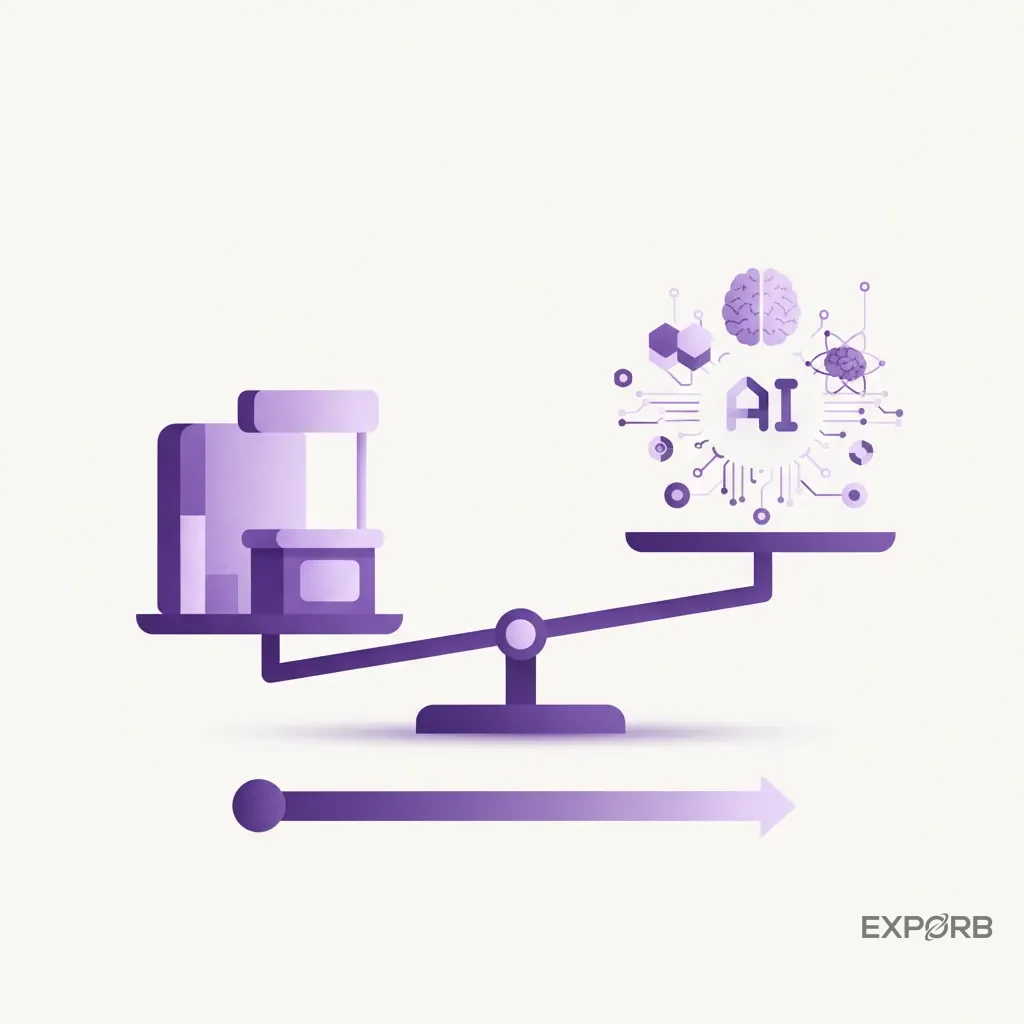
The misconception: A great booth guarantees great leads
A great booth guarantees foot traffic. It doesn't guarantee those people are your ideal customers, and it certainly doesn't guarantee you'll remember what they need. You can have the flashiest display at the show and still walk away with a stack of worthless leads because you didn't have a system to qualify them or capture conversation context.
How AI turns passive foot traffic into an active data pipeline
AI converts that foot traffic into fuel for your sales team. It's the system that ensures every conversation—every single one—is captured, structured, and becomes useful for follow-up. It turns a chaotic, forgettable experience into a predictable, measurable source of revenue. The booth gets them to stop; the AI ensures their stop was worth your time and theirs.
Balancing physical presence with intelligent lead capture
The future doesn't force a choice between physical presence and intelligent lead capture. You still need a professional, inviting space. But you must equip that space with an equally professional system for intelligence gathering. The investment should be balanced. If you're spending thousands on the physical experience, you must invest in the digital tools to capture the value of that experience. Anything less is merely expensive brand advertising.
How can you accurately measure the ROI of your trade show AI strategy?
Proving the value of event spend has always challenged marketers. But AI provides a direct line of sight from booth conversation to closed revenue. For decades, marketers have found measuring trade show ROI a fuzzy, frustrating exercise. You get a list of leads, you hand it to sales, and it disappears into a black hole. You know some deals came from the show, but you can't prove it. AI-driven lead capture fixes this by creating a clear, unbroken line from a booth conversation to a closed deal in your CRM.
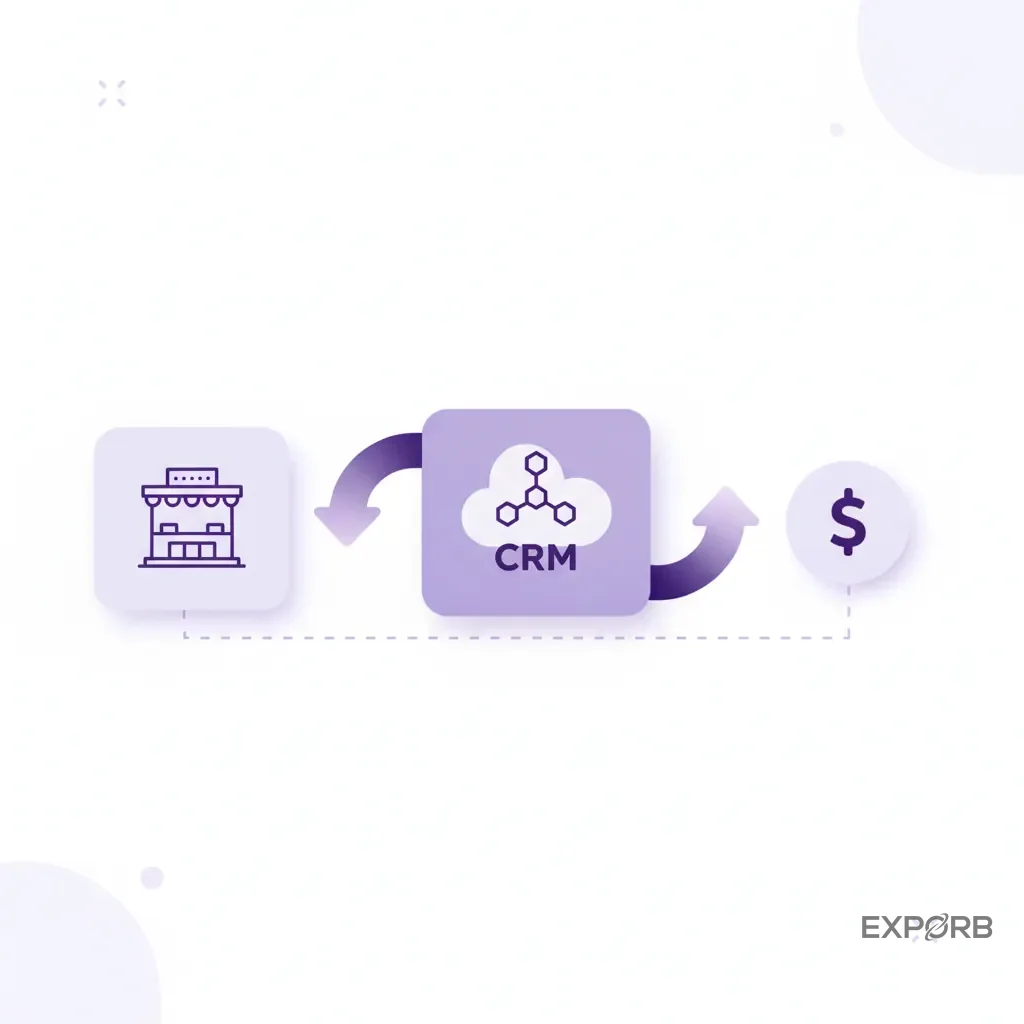
Connecting booth conversations directly to closed deals in your CRM
Because an AI tool enriches every captured lead with deep context, sales knows exactly where it came from and what the conversation was about. When that lead becomes an opportunity and then a customer, you can't deny the source. It's not merely "Trade Show XYZ." It's "Trade Show XYZ - conversation with Sarah about API integration."
Attributing revenue to specific events, conversations, and team members
This level of detail changes how you plan your budget. You can finally answer critical questions. Which events produce the most valuable leads? Which team members are best at identifying high-intent prospects? What conversation topics correlate most with closed deals? You can see all this with a proper team dashboard. This isn't merely lead capture; it's business intelligence.
Using AI-generated data to justify and optimize future event budgets
When it's time to plan next year's budget, you're no longer walking in with vague feelings about a show's success. Instead, you're walking in with a dashboard. "We spent $30,000 on this event and generated $300,000 in attributable pipeline, closing 25% of those leads. We should double our investment. That other show cost $20,000 and produced zero qualified opportunities. We should cut it." This is how you run events like a data-driven growth channel, not merely a marketing expense.
What's next for AI at trade shows beyond 2026?
The tools we have today are already powerful, but we're only scratching the surface. The integration of AI into live events will become deeper, more predictive, and more personal. As events like the AI & Big Data Expo Global continue to grow, the technology displayed there will quickly become mainstream.
The rise of AI copilots for booth staff and sales reps
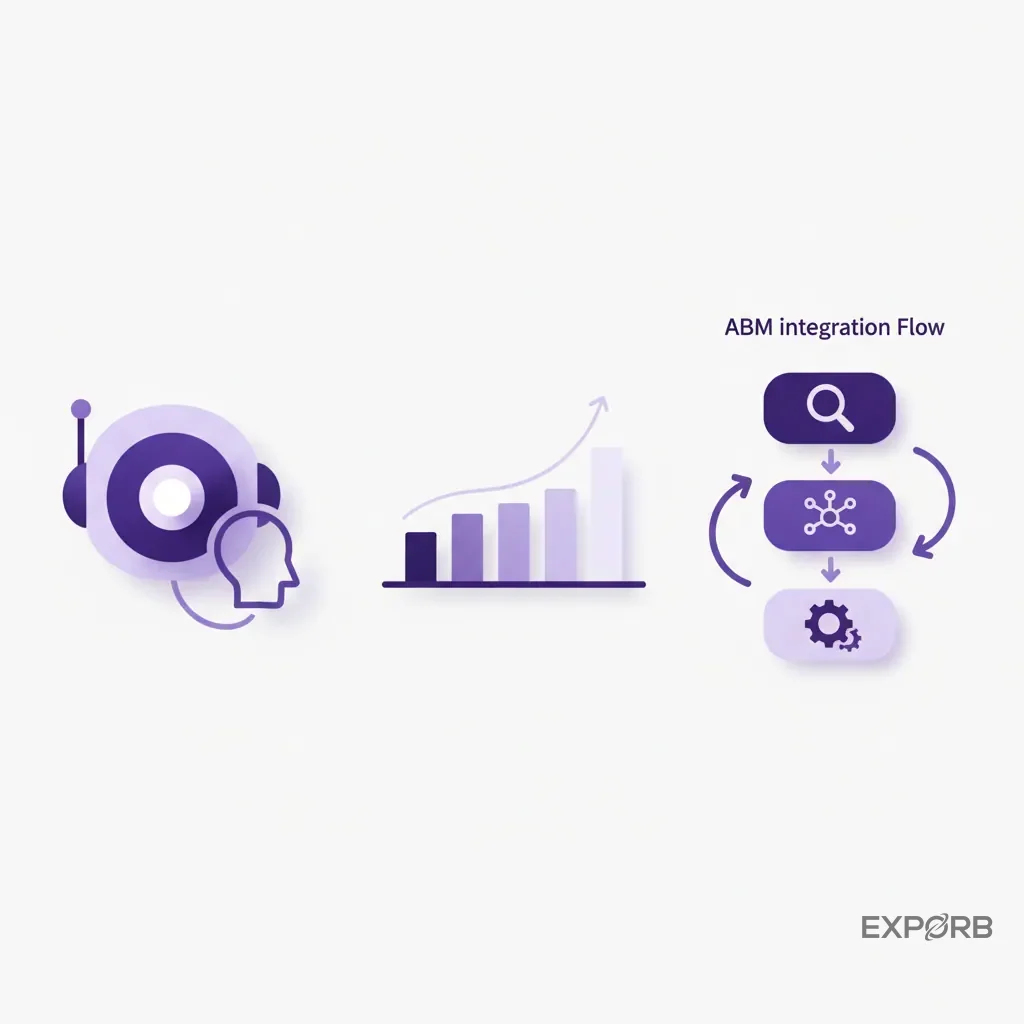
Imagine your booth staff wearing an earpiece connected to an AI. As they talk to a prospect, the AI listens and provides real-time coaching. It could suggest relevant case studies, pull up pricing information, or even warn the rep if they're talking too much. This isn't science fiction; it's the logical next step in augmenting human performance.
Predictive lead scoring from booth dwell time and behavioral signals
Soon, lead scoring will incorporate behavioral data, not just what's said. How long did a person stay at your booth? Did they watch a full demo or just grab a pen? Did they visit your website before the show? Combining this behavioral data with conversational intelligence will create incredibly accurate predictive models, telling you who's most likely to buy before they even leave the event.
Integrating trade show intelligence into account-based marketing (ABM)
The rich, first-party data collected at trade shows is a goldmine for ABM strategies. Knowing an entire buying committee from a target account attended a show—and knowing exactly what each of them talked about with your team—lets you orchestrate a highly targeted, multi-threaded follow-up campaign. The trade show becomes the ultimate source of account-level intelligence, powering your marketing for months to come.
Your AI action plan for the next trade show season
To avoid falling behind, you need a clear plan to integrate AI into your event strategy. The gap between exhibitors who use AI effectively and those who don't will widen dramatically over the next 12 months. Here are three simple steps you can take right now to prepare your team for success.
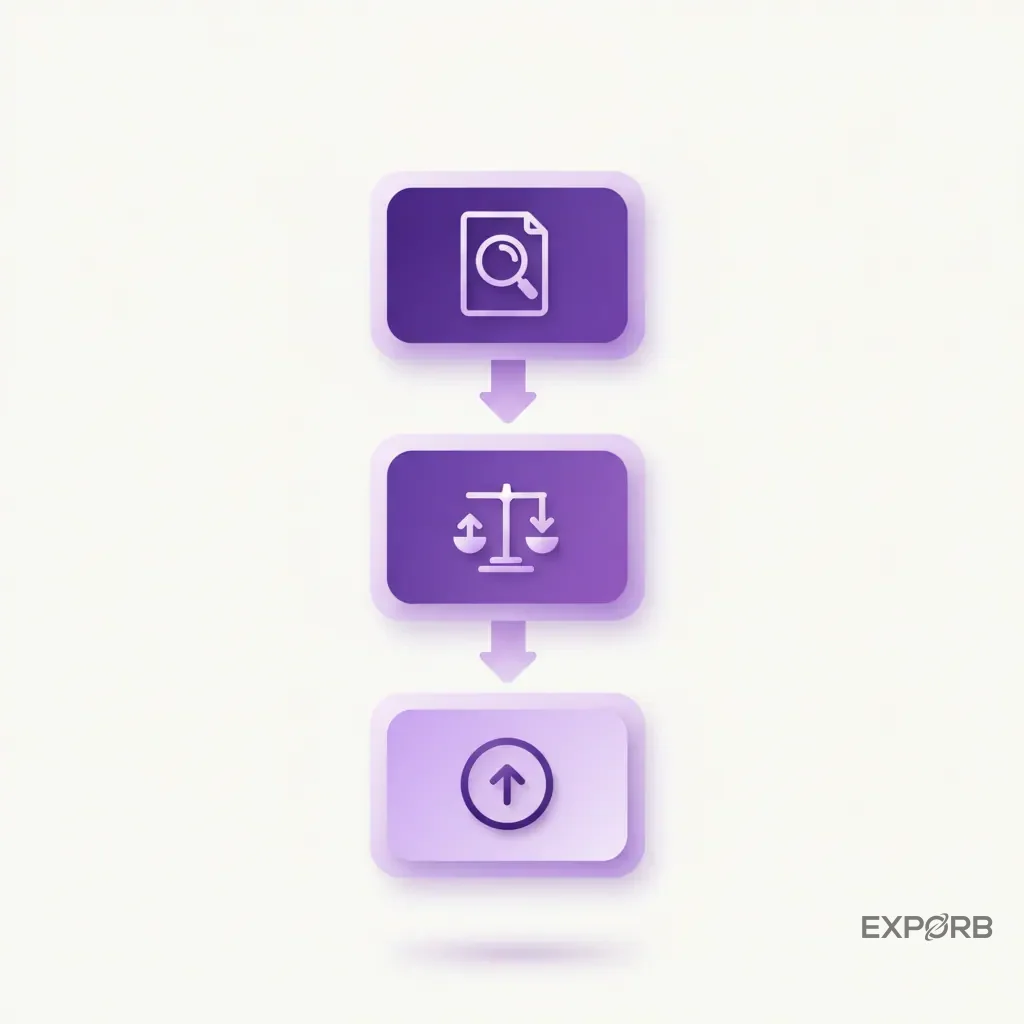
Audit your current lead capture process for data gaps
Be brutally honest with yourself. Where does your current process break down? Is it the messy handwriting? The slow data entry? The generic follow-up? Map out every step from the moment a person enters your booth to the moment they're entered into your CRM. Identify the biggest bottlenecks and points of failure. This is where you're losing money.
Evaluate AI-powered tools that prioritize conversation intelligence
Look for a tool that solves the core problem: lost context. Don't be distracted by gimmicks. Does it help you capture what you talked about, not just who you met? Does it work offline? Does it make follow-up faster and more personal? Does it give you, as a leader, visibility into what's happening on the ground? Start exploring modern solutions built for trade shows.
Set clear goals for lead quality and follow-up speed
You can't improve what you don't measure. Set specific, measurable goals for your next event. For example:
- Increase the percentage of leads with detailed notes from 20% to 90%.
- Reduce the average follow-up time from 5 days to 24 hours.
- Boost your lead-to-opportunity conversion rate by 15%.
These are the metrics that matter. A solid AI strategy leads to better business outcomes.