

A virtual trade show is an online event that mimics a physical trade show, allowing exhibitors and attendees to connect in a digital environment. Let's be clear: this isn't a glorified Zoom call from a few years ago. The modern virtual event is a data-rich, interactive platform designed for lead generation, networking, and sales. It's a strategic channel, extending your reach to a global audience you couldn't otherwise access. It's a primary strategy, not just a backup.
Beyond the 2D booth: Evolving from simple streams to data-rich environments
The first wave of virtual events was a reaction. Companies scrambled to put presentations online, resulting in passive, one-way conversations. It felt flat. And frankly, it wasn't very effective.
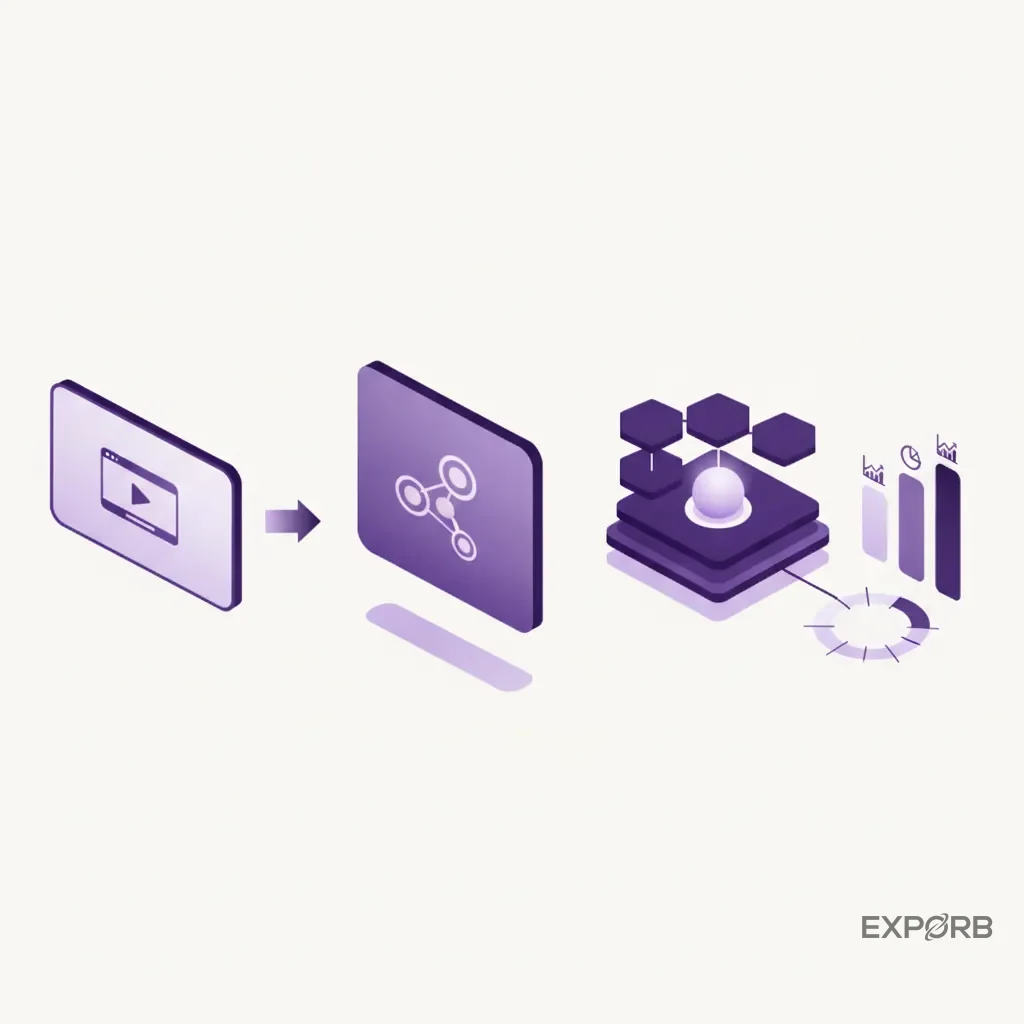
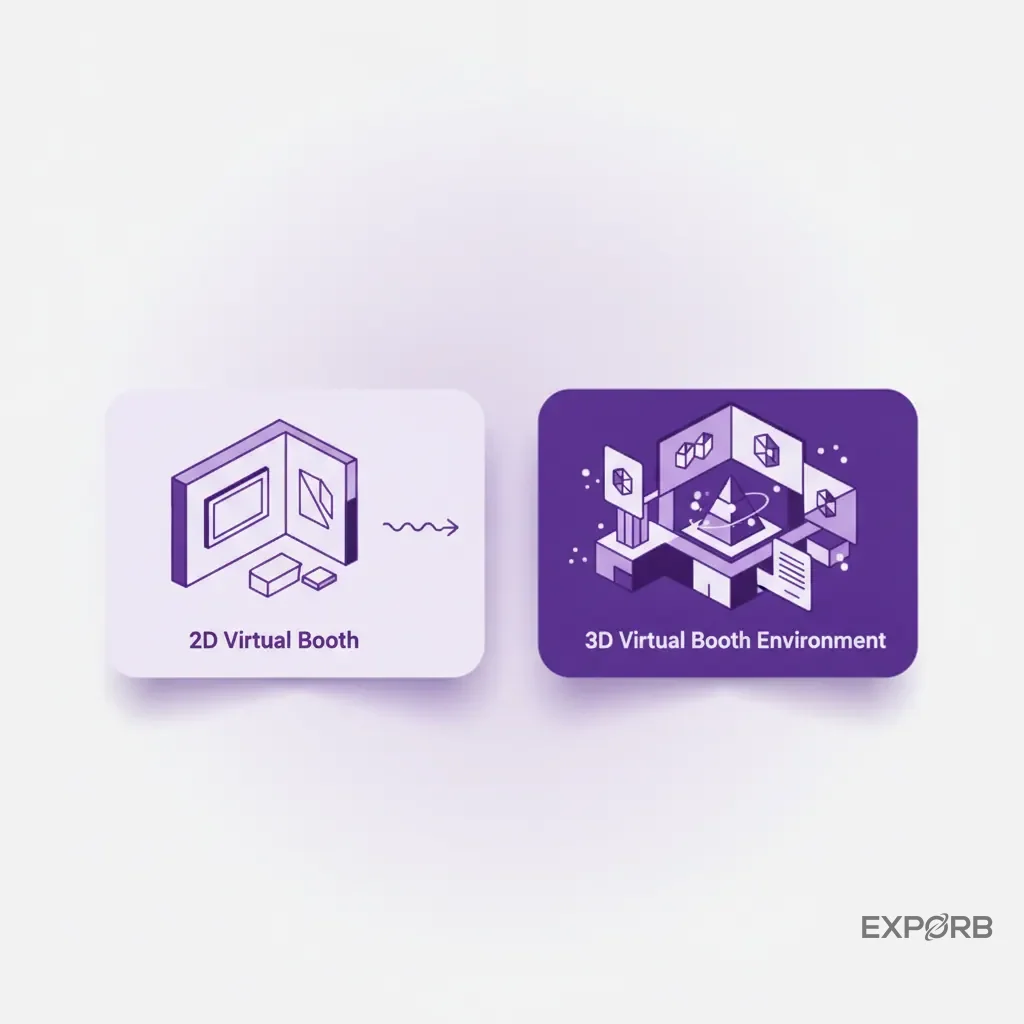
Today's platforms are completely different. Engagement drives these platforms. Exhibitors have customizable 3D booths, attendees can browse product marketplaces, and AI-powered matchmaking connects buyers with the right sellers. Today's platforms shift focus from simple viewership to active participation—and the data you can collect is far more granular than what you'd get from a simple badge scan at a physical event.
The hybrid reality: How virtual extends the reach of physical events
The debate about virtual versus physical is over. Hybrid won. According to recent industry data, a staggering 70% of attendees prefer hybrid events post-pandemic. Why? Because it gives them a choice. They can attend in person for high-value networking or join virtually to consume content and make initial connections.
For you, the exhibitor, this is a clear advantage, not a compromise. A hybrid model lets you use the physical event for deep, one-on-one conversations and the virtual component to capture a wider audience. It also nurtures leads who couldn't travel and extends your content's life long after the physical show floor closes.
Key market trends and growth projections to 2030
The numbers don't lie. The virtual trade show market isn't a temporary trend; it's a permanent and growing part of the B2B marketing mix. The global market for virtual exhibitions and trade shows generated nearly USD $30 billion in 2024 and is projected to grow to over $84 billion by 2030.
That's an annual growth rate of over 18%. This shift is about more than saving on travel costs. It fundamentally changes how companies build pipelines and connect with customers.
Why are B2B marketers prioritizing virtual trade shows for lead generation?
It comes down to cost and reach. You can connect with more qualified prospects from around the world for a fraction of the cost of a physical event. When you spend $50K on a physical booth, a huge chunk of that goes to logistics, travel, and drayage. Most exhibitors obsess over booth design and completely ignore lead capture. They spend $50K looking good and $0 on remembering what was said. With virtual events, nearly 100% of your budget goes toward technology and promotion—the things that actually generate leads.
Unpacking the ROI: Comparing cost-per-lead across event types
Let's get straight to the point: the cost-per-lead (CPL) for virtual events is dramatically lower. Industry reports show a clear financial advantage. While costs vary, the difference is too big to ignore.
A physical trade show lead can cost you hundreds of dollars when you factor in all expenses. A virtual lead? Far less. And that changes how you calculate your Event ROI.
Source: Data synthesized from Cvent and Visitor Queue analyses by Shno.co
The math is simple. For the cost of one conference lead, you could potentially generate eleven virtual event leads. That's a massive difference in pipeline volume.
Accessing global audiences and high-growth emerging markets like India
What's the total addressable market for a trade show in Las Vegas? Travel budgets, visa approvals, and flight availability limit it. What's the total addressable market for a virtual trade show? The entire internet.
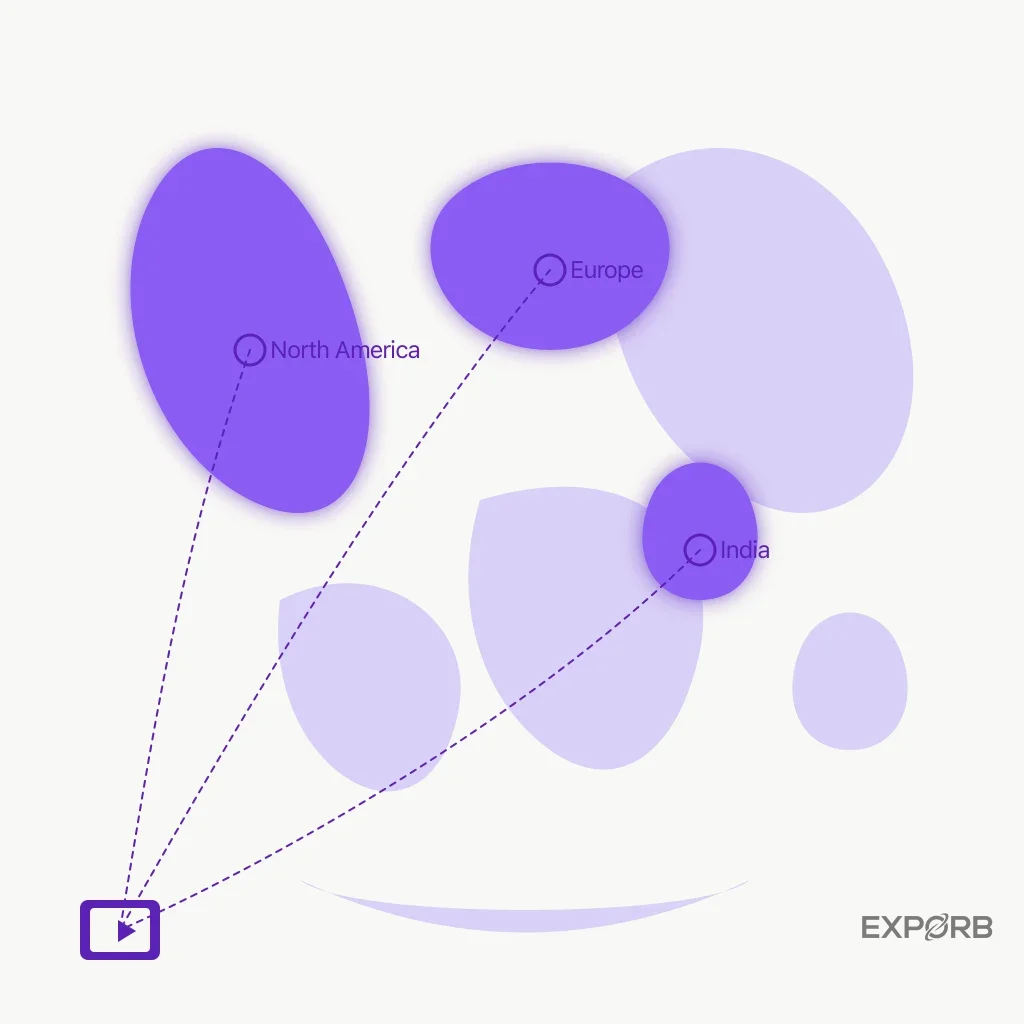
This opens up high-growth markets companies previously found difficult or expensive to reach. For instance, while North America remains the largest market for virtual events, India is projected to have the highest growth rate between 2025 and 2030. A virtual event strategy lets you get in front of these emerging audiences without setting up a physical presence.
How virtual events became a top-three channel for B2B marketers
It wasn't an overnight shift. It was a gradual realization that virtual events deliver what marketers need most: qualified leads. According to a 2024 study by ViB Tech, 41% of B2B marketers now consider virtual events an important part of their strategy.
When we ask B2B marketers to choose the single most effective lead generation channel, events and webinars consistently rank in the top three. They provide a unique opportunity to engage a captive audience, demonstrate expertise, and capture buying intent directly.
Related: The Ultimate Trade Show Lead Capture Guide
How do you generate online sales and leads with a virtual trade show?
You can't just set up a digital booth and expect leads to roll in. A successful virtual trade show requires a deliberate strategy focused on converting anonymous visitors into qualified prospects. It's about designing a journey, not just an online brochure.
Designing a user journey that converts visitors into qualified leads
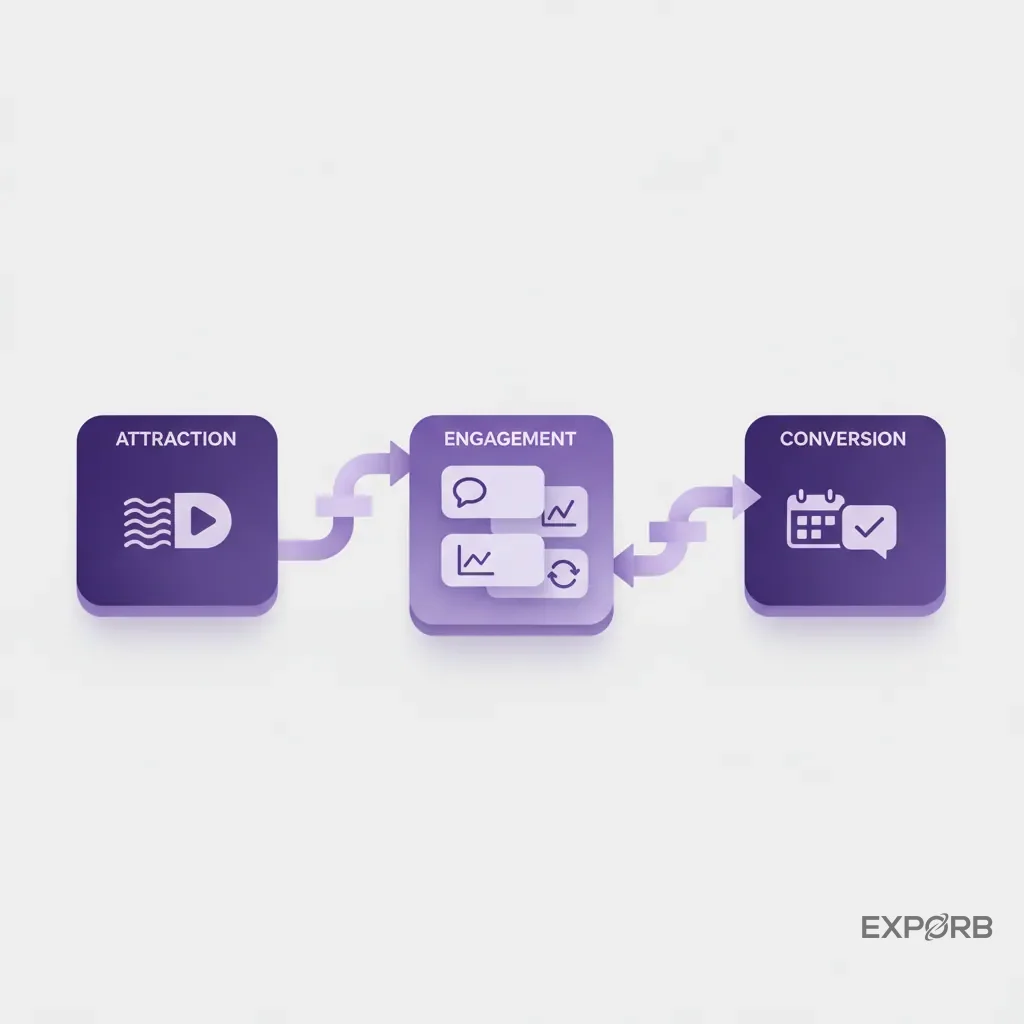
Your virtual booth isn't a destination; it's a funnel. You need to map out the exact steps you want a visitor to take.
- Attraction: Use compelling content—like a keynote session or a product demo—to draw them into your booth.
- Engagement: Once they're there, give them something to do. Offer interactive polls, downloadable resources, or a live Q&A with your technical experts.
- Conversion: This is the most important step. Make it incredibly easy for them to take the next action. This means booking a meeting, requesting a quote, or starting a free trial. Your call-to-action should be prominent and clear.
Don't make them hunt for the "Contact Us" button. Guide them every step of the way.
Integrating e-commerce and direct meeting booking into your virtual booth
The best virtual platforms blur the line between marketing and sales. You should be able to integrate your e-commerce platform directly into your booth, allowing attendees to purchase products on the spot. If you're selling a service, integrate your calendar.
Let qualified prospects book a meeting with your sales team in two clicks—right from the virtual environment. Removing friction is the key to conversion. Every extra step you make a user take is a chance for them to leave.
Using pre-show engagement to build a pipeline before day one
Why wait for the event to start? Your lead generation should begin weeks in advance. Use email and social media to promote your sessions and tease your announcements. Run targeted ad campaigns to the event's attendee list if possible.
Offer early access to content or a special pre-show Q&A for people who pre-register for your demo. By the time the virtual doors open, you should already have a list of warm leads actively looking to engage with your team.
What powerful features create a high-impact virtual trade show?
The platform you choose matters. The right platform can be the difference between a passive viewing experience and an active, lead-generating event. Look for tools that encourage interaction and make it easy for exhibitors to connect with attendees in meaningful ways.
Immersive 2D/3D exhibit halls and customizable booth designs
First impressions count, even online. A visually appealing exhibit hall, easy for visitors to figure out, sets the tone for the entire event. As an exhibitor, you want control over your booth's branding and layout.
Can you upload your own banners and videos? Can you feature specific products? Can you create a space that reflects your brand and makes it easy for visitors to find the information they need? A generic template won't cut it. You need customization options that allow your brand to stand out from the crowd.
Interactive networking tools: From AI matchmaking to video lounges
Networking is a primary reason people attend trade shows. A great virtual event platform needs to replicate that experience digitally. Look for features like:
- AI Matchmaking: Algorithms suggest connections between attendees and exhibitors based on shared interests and business needs.
- Video Lounges: These are informal, topic-based video chat rooms where small groups can gather to discuss specific subjects.
- 1-on-1 Meeting Schedulers: A simple way for attendees to book private video calls with your sales team.
- Live Chat & Q&A: Real-time communication tools within your booth and during presentations.
These tools turn passive viewers into active participants.
Content hubs and on-demand sessions that drive post-event engagement
The event shouldn't end when the live sessions are over. A huge advantage of a virtual trade show is the longevity of the content. Record all your keynotes, demos, and breakout sessions. Make them available on-demand in a content hub.
This does two things. First, it allows people who couldn't attend live to still benefit from your content. Second, it becomes a valuable lead-generation asset you can use for weeks or even months after the event. You can gate the content behind a form to continue capturing leads long after the show has concluded.
How can you capture and structure better data from virtual events?
This is where most companies drop the ball. They generate hundreds of leads from a virtual event, but the data is a mess. You get a CSV file with names and email addresses, but you've no context. Who were the hot leads? What did they care about? What were the agreed-upon next steps? This is the founder's blind spot—complete darkness between the conversation and the CRM.
The founder's blind spot: Solving the problem of scattered team conversations and lost insights
At a physical show, your team might talk to 100 people at the booth. Monday morning, you ask what they learned. Blank stares. They collect business cards, scribble notes on the back, and try to remember everything. It's like a fishbowl full of business cards that nobody will follow up on. At a virtual show, the same thing happens in chat logs and DMs. The result is the same: scattered, unstructured data that's nearly impossible to act on.
The founder or sales leader has no visibility. They know leads came in, but they don't know which ones matter. It can take a week or more to sort through the mess, by which time the leads have gone cold. The core problem is capturing structured data with context, not just raw data.
Moving beyond spreadsheets with automated lead capture and qualification
Spreadsheets are where good leads go to die. Manual data entry is slow, error-prone, and kills any momentum you built during the event. You need a system that captures lead data automatically and enriches it with the context of the conversation.
What if every chat conversation, every poll response, and every downloaded resource was automatically tied to a lead's profile? Modern event platforms should offer this. But even then, the qualitative data—the actual substance of the conversation—is often lost.
Using AI to transcribe and analyze conversations for targeted follow-up
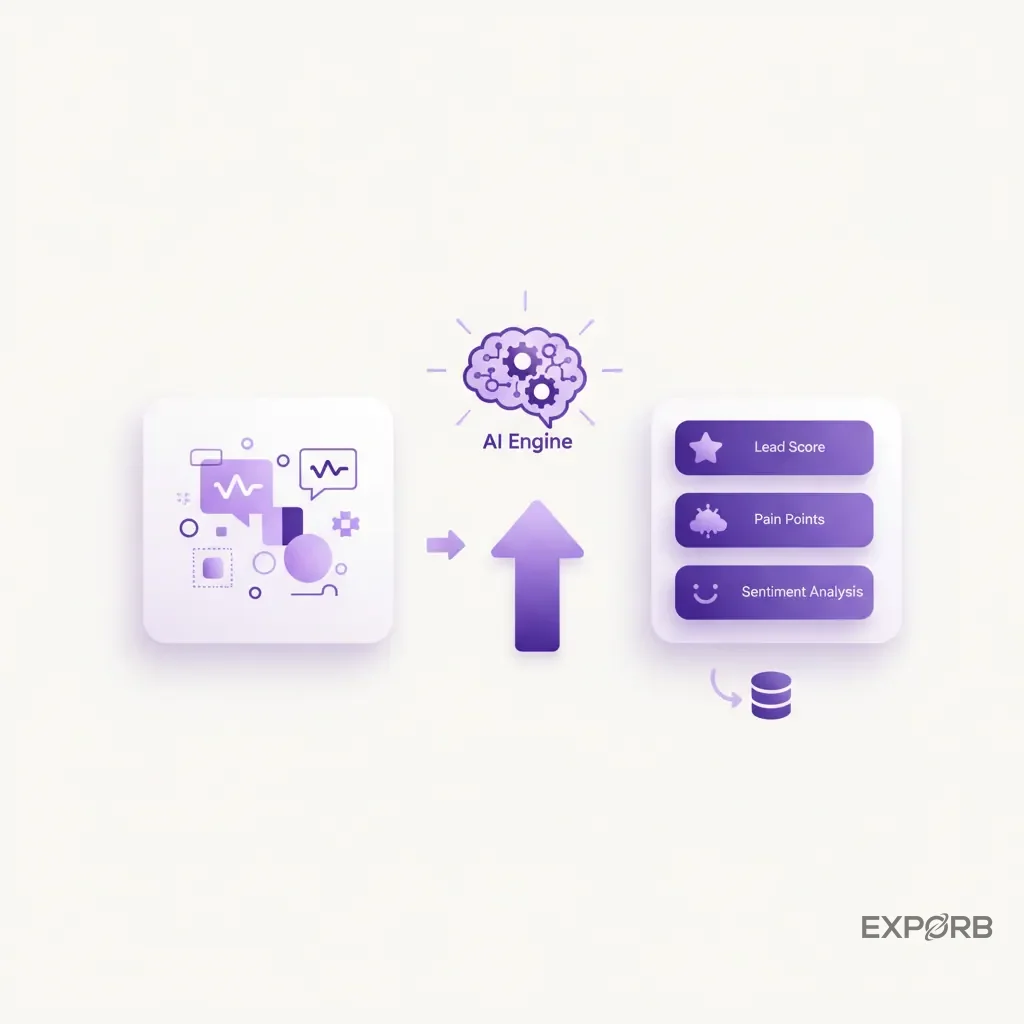
This is the next frontier. Imagine if every conversation your team has—whether in a virtual chat or a physical booth—could be captured and analyzed. At Exporb, we built our platform to solve this exact problem. Your team can record voice notes about a conversation, and our AI transcribes and analyzes the content to identify pain points, buying signals, and next steps.
It transforms a messy, qualitative conversation into structured, actionable data. You no longer have to guess who the best leads are. The data tells you. This allows for incredibly fast and personalized email follow-up that references the specific details of your conversation, dramatically increasing your response rates.
How to set up your virtual trade show for maximum success
A successful virtual event requires careful planning and execution. You can't just show up on the day of the event and hope for the best. You need a solid strategy for your platform, your content, and your team.
Choosing the right platform: Key features to look for in 2026
Not all platforms are created equal. When evaluating your options, look for these key capabilities:
- Engagement Tools: Does it have live chat, Q&A, polls, and networking lounges?
- Customization: Can you brand your booth and create a unique experience?
- Data & Analytics: What kind of reporting does it offer? Can you track visitor engagement at a granular level?
- Integrations: Can it connect with your CRM and marketing automation platform?
- Scalability: Can the platform handle the number of attendees you expect without crashing?
- On-Demand Access: Does it provide a content hub for post-event viewing?
Don't just look at the price. Choose the platform that best aligns with your event goals.
A step-by-step guide to designing your virtual booth and content strategy
- Define Your Goal: What's the #1 thing you want to achieve? Is it lead generation, brand awareness, or direct sales? Your goal will inform every other decision.
- Map Your Content: Plan your sessions, demos, and downloadable assets. Make sure your content addresses your target audience's biggest pain points.
- Design Your Booth: Create a visually engaging and intuitive booth layout. Make your calls-to-action impossible to miss.
- Promote Your Presence: Start your promotion at least 3-4 weeks before the event. Use email, social media, and paid ads to drive registrations.
- Prepare Your Team: Train your staff on how to use the platform and how to engage with attendees in a virtual environment.
Training your sales team for effective virtual selling and engagement
Selling in a virtual booth is different from selling on a physical show floor. Your team needs to be proactive. They can't just wait for people to walk by.
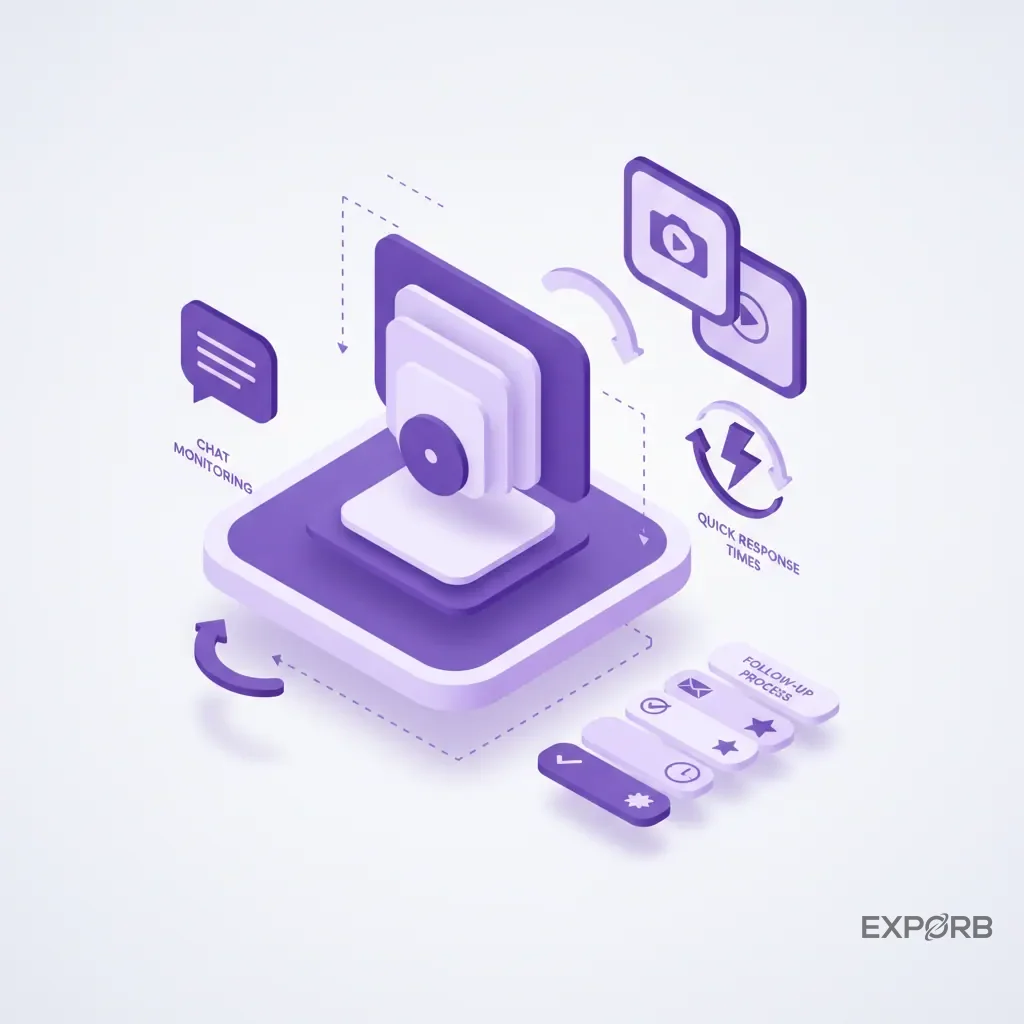
- Monitor the chat: Actively look for questions and buying signals in public and private chats.
- Be responsive: Respond to inquiries within seconds, not minutes. Speed matters.
- Use video: When possible, hop on a quick video call. Face-to-face interaction builds rapport much faster than text chat.
- Have a follow-up plan: Know exactly what the next step is for every lead and have a system in place to execute it immediately.
What does a successful hybrid Trade Show Strategy look like?
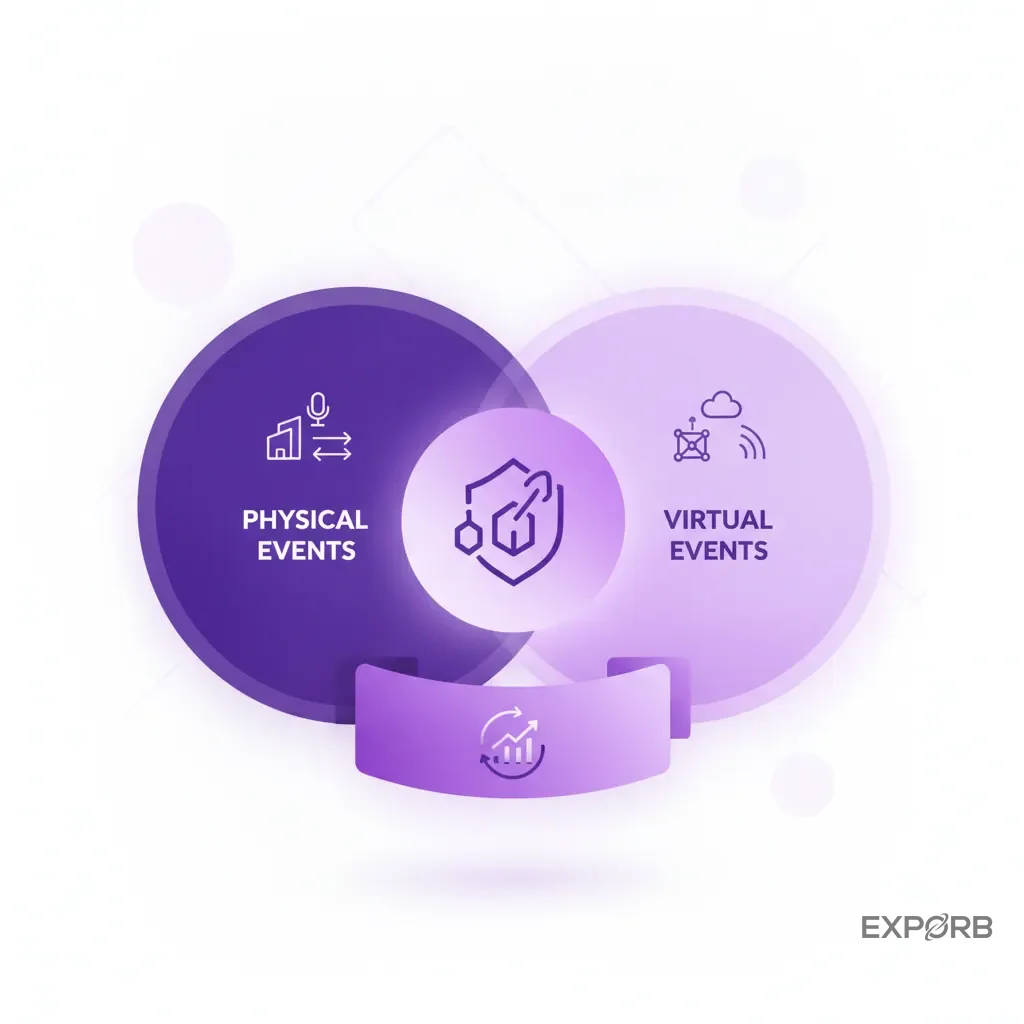
The most forward-thinking companies aren't choosing between physical and virtual. They're using both. A hybrid strategy combines the high-touch networking of in-person events with the scale and reach of virtual platforms.
Misconception debunked: Virtual events amplify in-person events, they don't replace them.
Let's kill this idea once and for all. A virtual component makes your physical event better; it doesn't detract from it. It lets you engage a much larger audience than just those who can afford the time and money to travel.
Think of it this way: the physical event targets your highest-value, bottom-of-funnel prospects. The virtual event captures everyone else. It's your top-of-funnel machine, capturing new leads and nurturing existing ones not yet ready for an in-person meeting.
Using virtual components for pre-event warming and post-event nurturing
Your hybrid strategy shouldn't be confined to the days of the event.
- Pre-Event: Host a series of webinars or virtual roundtables in the weeks leading up to the main event. Use this to build excitement, share a preview of your content, and qualify leads before they even get to the show floor.
- Post-Event: Don't let the conversation die. Use your on-demand content hub to re-engage attendees. Host a virtual "best of" session to recap the highlights. Send targeted follow-up campaigns to your virtual attendees to move them further down the funnel.
Real-world example: How a small team doubled their event leads with a hybrid model
A mid-sized SaaS company used to attend 10 physical trade shows a year. Their team was stretched thin, and their CPL was high. They switched to a hybrid model: attending just 3 major physical shows and adding a virtual component to each.
They used the virtual platform to stream their main stage presentations from the physical event. This allowed them to capture leads from thousands of people online who couldn't attend in person. The result? They cut their event budget by 40% and more than doubled their total number of qualified leads for the year.
Measure your trade show success with better reports and analytics
If you can't measure it, you can't improve it. One of the biggest advantages of virtual and hybrid events is the wealth of data they provide. But you need to track the right metrics to understand your true ROI.
The metrics that matter: Tracking engagement, lead quality, and pipeline influence
Don't just count the number of attendees. That's a vanity metric. Focus on the metrics that actually impact your business:
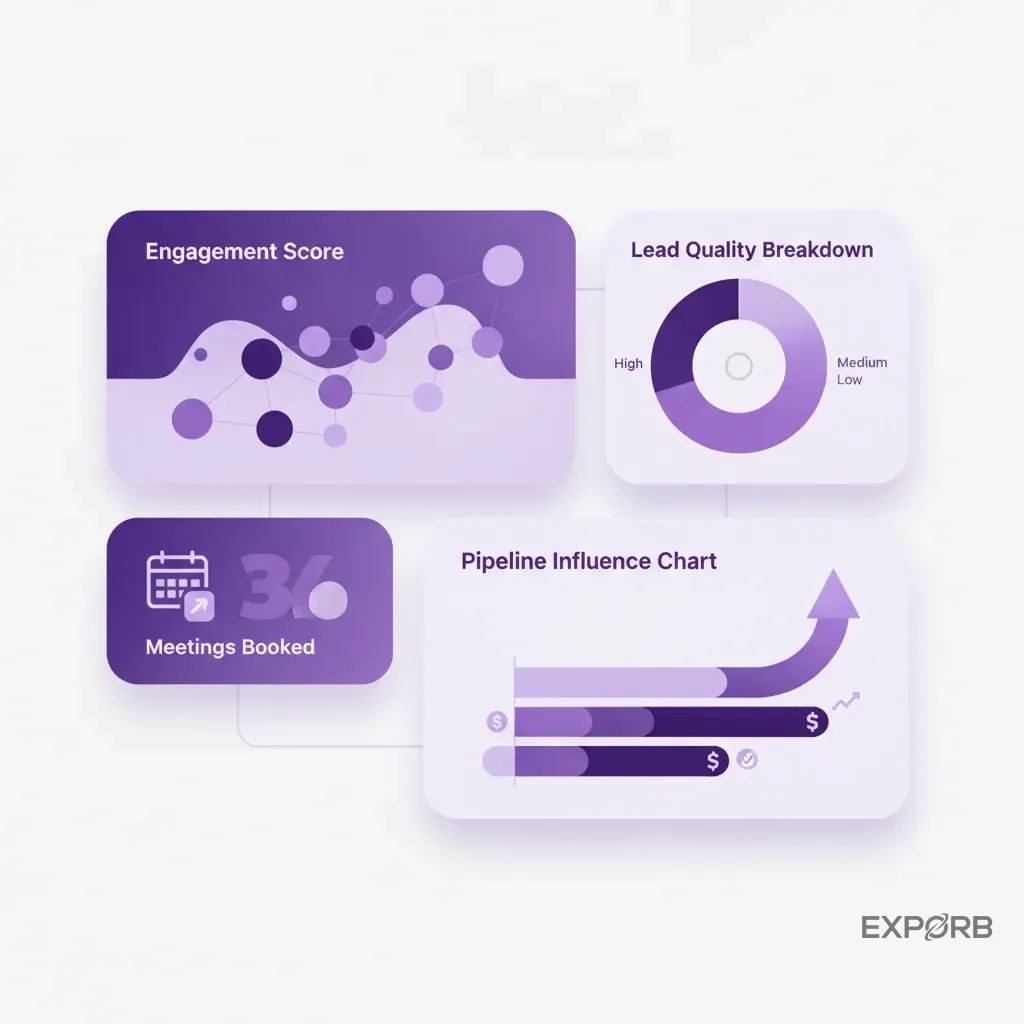
- Engagement Score: Which attendees visited your booth, downloaded content, and participated in chats?
- Lead Quality: How many of the leads generated were from your ideal customer profile?
- Meetings Booked: How many qualified sales meetings were scheduled during the event?
- Pipeline Influence: How much new Sales Pipeline was created from event leads?
- Cost Per Qualified Lead: Your total event spend divided by the number of sales-accepted leads.
According to a 2024 Cvent report, leads generated (65%) and attendee volume (63%) are the top success metrics for organizers. Your leadership, however, really cares about pipeline and revenue.
Connecting event data directly to your CRM for a full-funnel view
Your event data shouldn't live in a silo. It needs to flow directly into your CRM. This is non-negotiable. A direct integration ensures your sales team gets leads in real-time and allows you to track a lead's journey from their first touch at the event all the way to a closed deal.
This is the only way to accurately measure pipeline influence and prove the ROI of your event program. While a simple CSV export is a good start, a real-time sync is the goal.
Building a dashboard to prove event ROI to leadership
Take your key metrics and build a simple, visual dashboard. Your CEO doesn't have time to dig through a spreadsheet. They want to see the bottom-line impact at a glance.
Your dashboard should answer these questions:
- How much did we spend?
- How much qualified pipeline did we generate?
- What's the projected ROI?
- What's the actual ROI?
When you can present your results this clearly, you'll secure budget approval for your next event.
Related: How to Calculate and Maximize Your Trade Show ROI
The best virtual trade show platforms for every budget in 2026
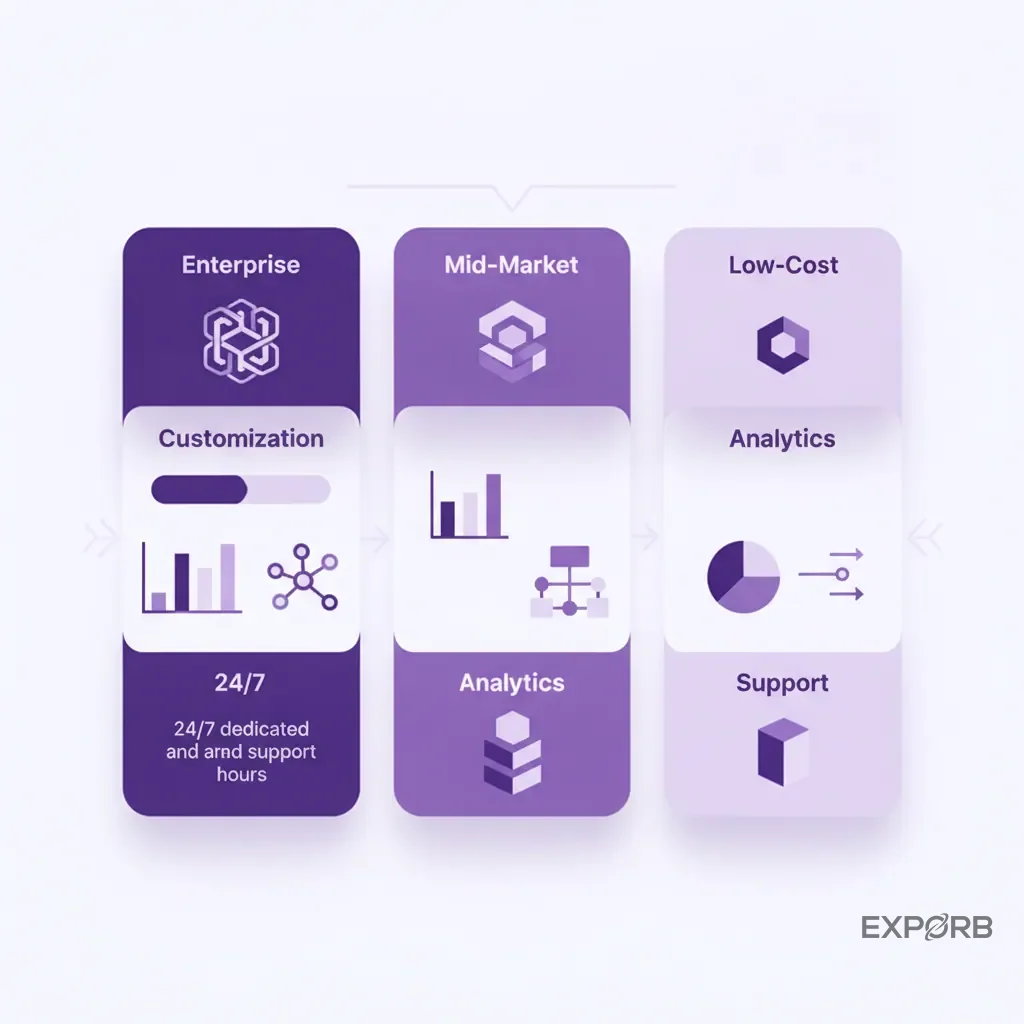
The virtual event platform market matured significantly. Solid options are now available for companies of all sizes, including global enterprises and small startups. The key is to find the one that best fits your specific needs and budget.
Top enterprise solutions for large-scale events
For large, complex events with thousands of attendees and hundreds of exhibitors, you need an enterprise-grade platform. These solutions offer deep customization, advanced analytics, solid security, and dedicated support.
Look for platforms like Cvent, Bizzabo, or Hopin. They handle scale and provide a full suite of tools for managing every aspect of a large virtual or hybrid event. They come with a higher price tag, but for a flagship event, the investment is often worth it.
Agile platforms for small and mid-sized businesses
If you're an SMB, you probably don't need all the bells and whistles of an enterprise platform. You need a solution that's easy to use, affordable, and focused on lead generation.
Platforms like Airmeet, Livestorm, or Goldcast are great options here. They offer excellent engagement tools, solid branding capabilities, and good integrations without the enterprise-level complexity or cost. They're perfect for running a series of webinars, a regional user conference, or a multi-session virtual summit.
Free and low-cost tools to get started with virtual events
Don't have a big budget? You can still get started. Tools like Zoom Events or even a well-organized YouTube Live stream can be surprisingly effective if your content is strong.
You'll sacrifice the immersive booth experience and advanced analytics, but you can still present great content and use forms or chat to capture leads. It's a great way to test the waters and prove the concept before investing in a more powerful platform.
Your action plan for a data-driven virtual trade show
You have the strategy. Now it's time to execute. A successful event is the result of disciplined preparation and relentless follow-up. Here's your plan to make your next virtual trade show your most successful one yet.
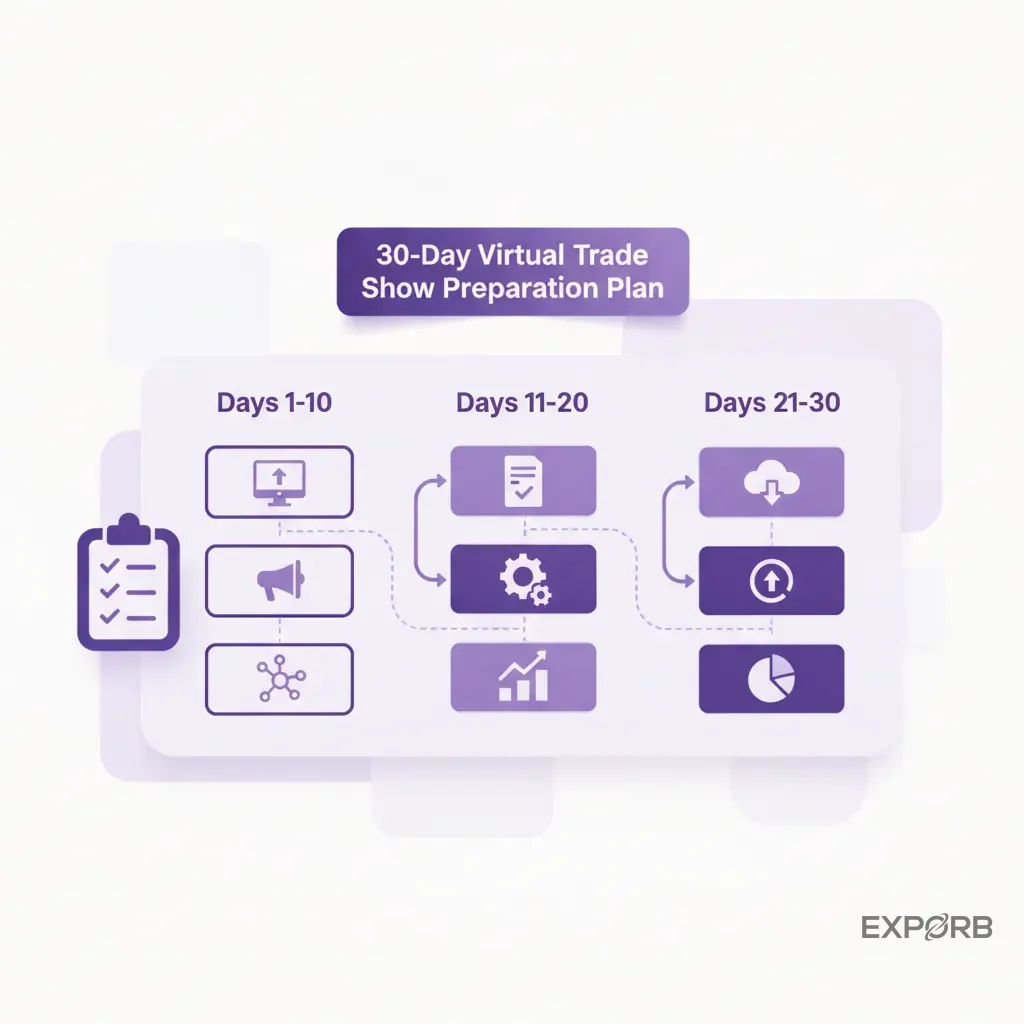
Your 30-day checklist for event preparation and promotion
- Day 30: Finalize your event goals, budget, and platform choice.
- Day 25: Define your content strategy and confirm your speakers.
- Day 20: Build your event registration page and virtual booth.
- Day 15: Launch your promotional campaign (email, social media, ads).
- Day 10: Train your sales and marketing teams on the platform and engagement plan.
- Day 5: Send a "know before you go" email to all registrants with the agenda and login details.
- Day 1: Final tech check and team huddle.
The post-show follow-up strategy that actually closes deals
Speed is everything. You must follow up with your best leads within 24 hours. Not a week. Not three days. 24 hours.
But speed without personalization is just spam. Your follow-up needs to be relevant. Reference the sessions they attended, the questions they asked, or the content they downloaded. This is where having structured data from your conversations is a massive advantage. Instead of a generic "Thanks for stopping by," you can send a message that says, "It was great discussing your challenges with data integration. Here's that case study I mentioned that's relevant to your project." That's a conversation that leads to a sale.
How to gain full visibility into your team's event performance and learning
Your event doesn't end with the follow-up emails. The final step is to analyze your performance and learn from it. As a leader, you need visibility into what actually happened. Which team members had the most conversations? What common themes and objections did you encounter?
This is why capturing conversation data is so important. When you log and analyze every interaction, you get a complete picture of your team's performance and your market's needs. You can see which reps are excelling and which need more coaching. You can identify emerging product gaps or marketing message opportunities. This closes the loop. It turns your event program from a one-off marketing expense into a continuous engine for learning and growth. That's how you turn events into a predictable revenue driver.