An immersive booth experience pulls attendees out of the crowded trade show aisle and into your brand's world. It's a carefully designed environment, a sensory story far more than just a backdrop with a table. This kind of experience uses coordinated lighting, sound, textures, and interactive technology to communicate one powerful message. Forget static displays and passive presentations; this is about creating a memorable, multi-sensory journey where attendees actively participate.
You let people feel your product's impact. This goes far beyond a simple product display.
Beyond the buzzwords: moving from static displays to sensory worlds
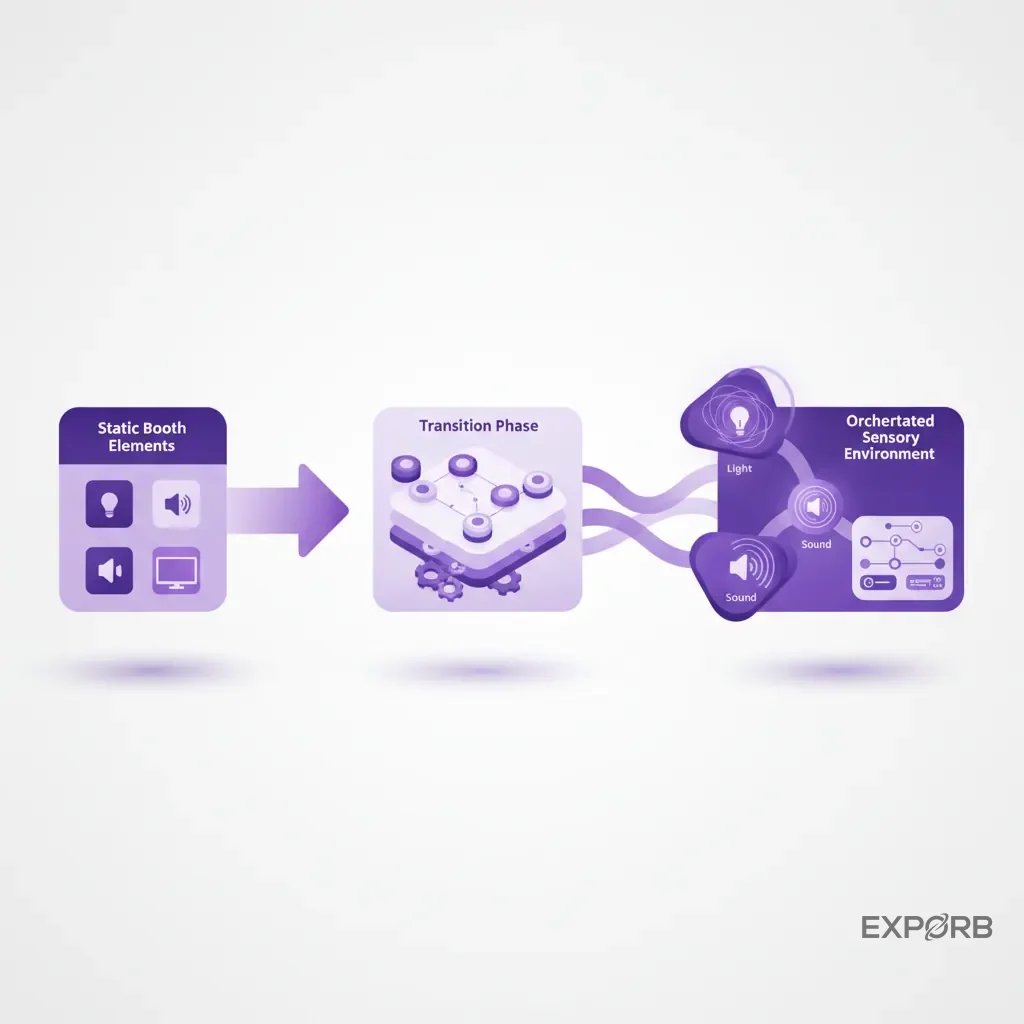
The shift moves from decorating to orchestrating. A traditional booth decorates a space. An immersive booth orchestrates an environment. According to 2026 experiential design guidance, multi-sensory booths generate significantly longer dwell times and more qualified leads than static displays. Think of it this way: it's the difference between telling someone your software is fast and letting them experience that speed in a gamified challenge that gets their heart racing.
The 2-minute story arc: designing for attraction, engagement, and conversion
Every great experience has a story. Your booth needs one too—a short one. A report on 2026 expo trends from Adam Expo Stand highlights that top exhibitors design for a four-stage journey:
- Attraction: A bold visual or soundscape that stops traffic in the aisle.
- Engagement: An interactive element that invites participation and starts a conversation.
- Conversion: A clear next step—a demo, a deep-dive conversation, or a smooth lead capture moment.
- Follow-up: A defined process to nurture the lead after the show.
This isn't about trapping people. It's about guiding them through a narrative that makes them want to learn more.
Why should your brand invest in an immersive strategy?
Standing out isn't optional anymore. The trade show floor is a battle for attention. A generic booth with a bowl of candy is a white flag of surrender. An immersive strategy helps you cut through the noise, attract the right people, and make every dollar of your event budget work harder. It's about turning passive foot traffic into active, engaged prospects.
The data behind increased dwell time and qualified leads
Longer dwell times directly correlate with higher lead quality. When attendees spend more time at your booth, it's because they're genuinely interested. They aren't just grabbing a pen; they're asking questions, interacting with your product, and qualifying themselves. This is the foundational logic behind experiential marketing. You're filtering for intent before you even scan a card.
Challenging the myth: it's not about flashy tech, it's about measurable ROI
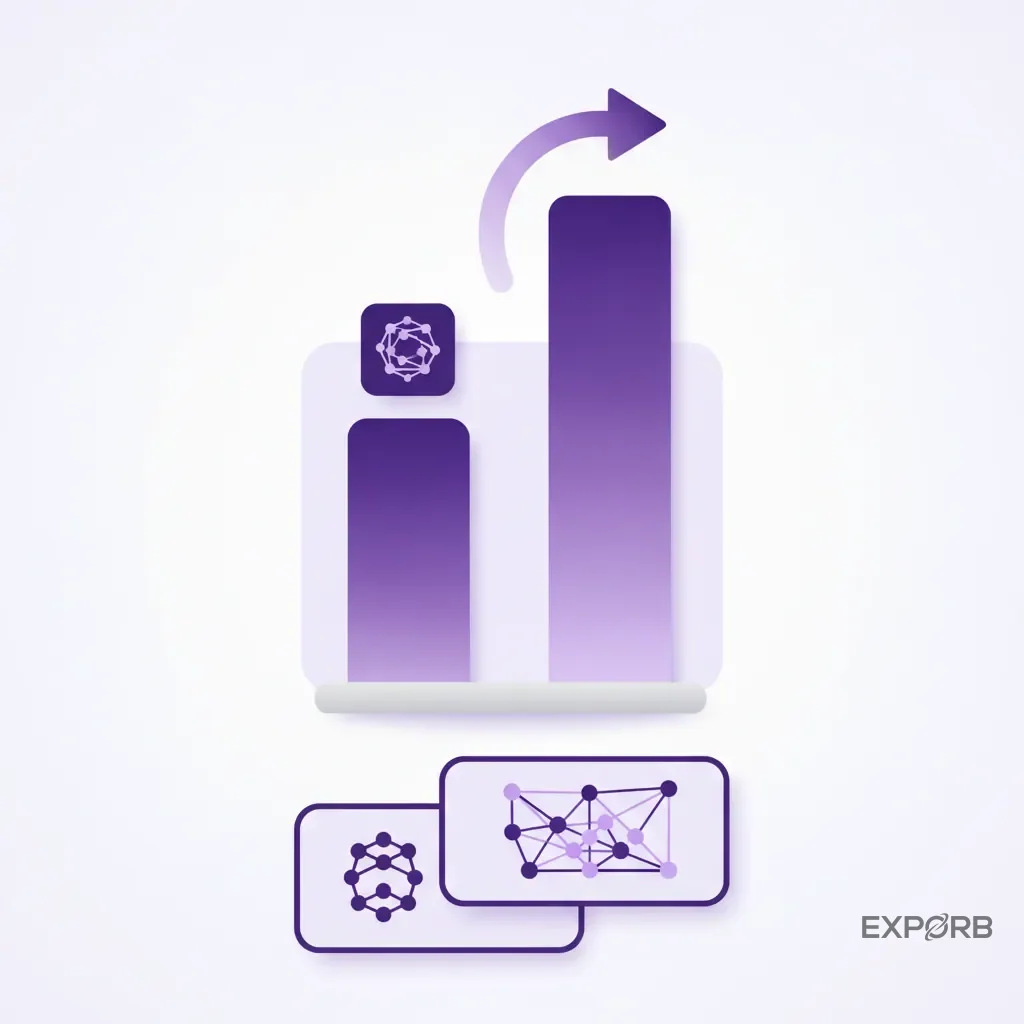
Here's the biggest misconception we see: companies spend $50,000 on booth architecture and $0 on a strategy for what happens inside it. That's completely backwards. Most exhibitors obsess over booth design and completely ignore lead capture. They spend a fortune looking good but nothing on remembering what was actually said. The goal is to create an experience that drives pipeline. The most expensive VR setup doesn't guarantee that. Technology is merely a tool to tell your story and capture intent. If it doesn't lead to a conversation and a qualified lead, it's just an expensive toy.
Connecting ROR to pipeline: connecting booth interactions to revenue
ROR—Return on Relationship—becomes the new ROI. Every interaction at your booth offers a chance to build a relationship that could turn into revenue. An immersive experience creates memorable, positive interactions. Those interactions are worthless, however, if they vanish the moment an attendee walks away. You need a system to connect that in-booth "wow" moment directly to your CRM and your sales team's follow-up sequence.
Related: The Definitive Trade Show Lead Capture Guide
How do you design a booth like a walkable story?
You start with the end in mind. What's the one thing you want every visitor to feel, learn, or do? Every design choice—from the carpet color to the playlist—should support that single goal. You aren't just filling a 10x20 space; you're directing a short play, and every visitor is the main character.
Start with a clear experience goal and financial thesis
What's the point of the experience? Is it to generate 50 qualified demo requests? To educate a new market about your category? To build a list of 200 engaged prospects for a new product launch? Define your primary goal and attach a number to it. Your financial thesis is simple: invest $X in this experience to generate $Y in pipeline. This clarity will guide every decision you make.
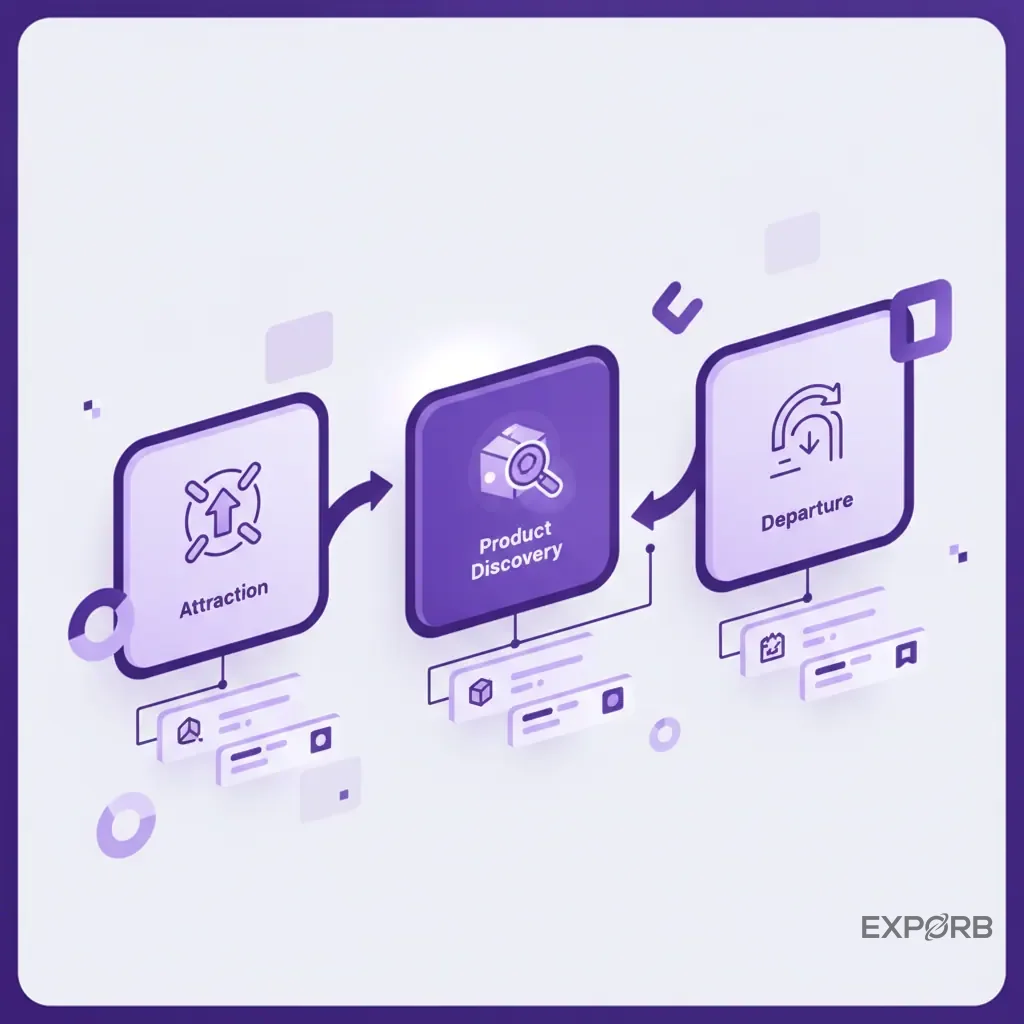
Mapping the journey stages: attraction, product discovery, and departure
Think like a theme park designer.
- Attraction: What can people see or hear from 30 feet away that makes them curious? This could be a kinetic light display, a unique soundscape, or a compelling overhead sign.
- Product Discovery: Once they're in, how do they learn? This is where your interactive elements, demo stations, and expert staff come in. Make it hands-on and self-guided where possible.
- Departure: How do they leave? Don't let it be an awkward fade-out. Design a specific departure point where you summarize a conversation and capture contact information. This is your conversion point.
Using coordinated lighting, sound, and scent to guide visitors
Our senses are hardwired to our memory. Use this to your advantage. Tunable LED lighting can shift the mood from energetic to focused. Directional sound can create zones for quiet conversations or loud demos. Scent diffusion—now a standard tool at major venues, according to Adam Expo Stand—can create a signature aroma that people associate with your brand long after the show. These elements are powerful tools you use to direct attention and emotion.
What interactive tech delivers the best engagement and data?
The right technology serves a purpose; it isn't about being trendy. Does it help tell your story? Does it make your product easier to understand? And most importantly, does it help you capture meaningful data about the person interacting with it? If the answer's no, you don't need it.
The 2026 playbook: shared-screen 3D vs. deep-dive VR
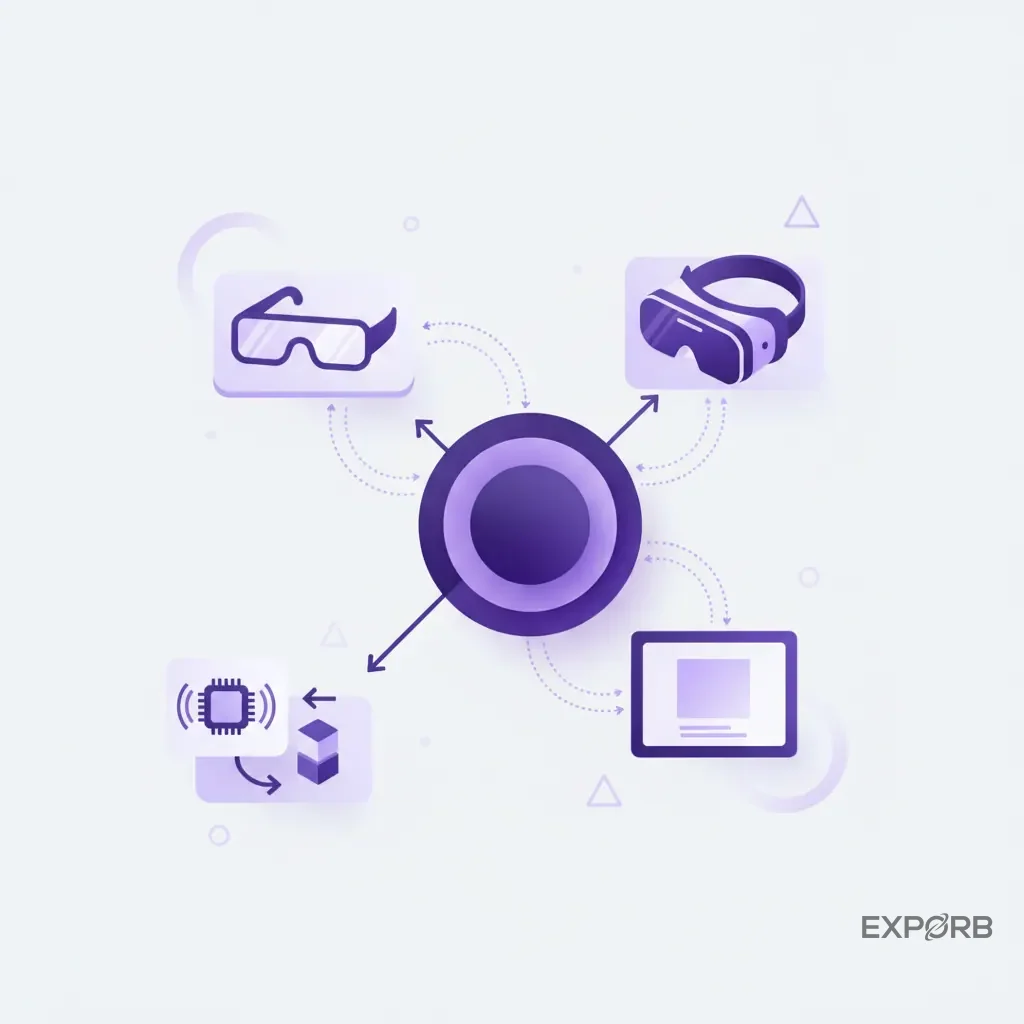
We've settled the debate. According to a 2026 trend map from Chameleon Interactive, shared-screen, real-time 3D wins for high-traffic engagement. It's open, social, and allows multiple people to share an experience. VR is powerful, but it's an isolating, one-to-one experience. Use VR selectively for your most qualified prospects in a dedicated, private area—don't make it your main attraction.
Touchscreen configurators and gamification for self-guided discovery
Want prospects to sell themselves? Use a touchscreen product configurator. A guide from Pure Exhibits notes that while they can cost $2,000–$8,000, they pay for themselves by letting visitors explore options at their own pace. And as they build their perfect solution, they're handing you a perfect dataset of their preferences for your follow-up email.
AR and RFID for smooth phygital experiences and data capture
Augmented Reality (AR) can overlay digital information onto your physical products. This creates a "wow" moment that's highly shareable on social media. Radio-Frequency Identification (RFID) wristbands or badges let attendees tap to collect information, enter a contest, or request a follow-up. This smoothly logs their interest automatically.
Comparison of interactive booth technologies and their strategic value.
How do you prevent valuable booth conversations from getting lost?
This trips up most exhibitors. You can have the most amazing booth in the world, but if the conversations that happen inside it are forgotten or scribbled on the back of a business card, you've wasted your entire investment. The experience is the bait; the structured, actionable data from the conversation is the catch.
The founder's pain point: 100 conversations, zero structured data
Here's a story we hear all the time. A founder sends their team to a show. The team comes back excited. "We had 100 great conversations!" Monday morning, the founder asks, "Great, which ones mattered? Who needs a follow-up today? What were their biggest pain points?" The answer's usually a pile of business cards and a promise to "sort through my notes next week." That's a disaster. The fishbowl full of business cards? Nobody will follow up on those. All that context, urgency, and intent is lost.
Designing micro-experiences as intentional data capture events
Don't just hope for good conversations—design for them. A "micro-experience" is a short, 30-second interactive demo or activity. That activity naturally leads to asking questions and capturing information. It turns a generic "Can I scan your badge?" into a meaningful "That was cool, right? What problem are you trying to solve that brought you here today?"
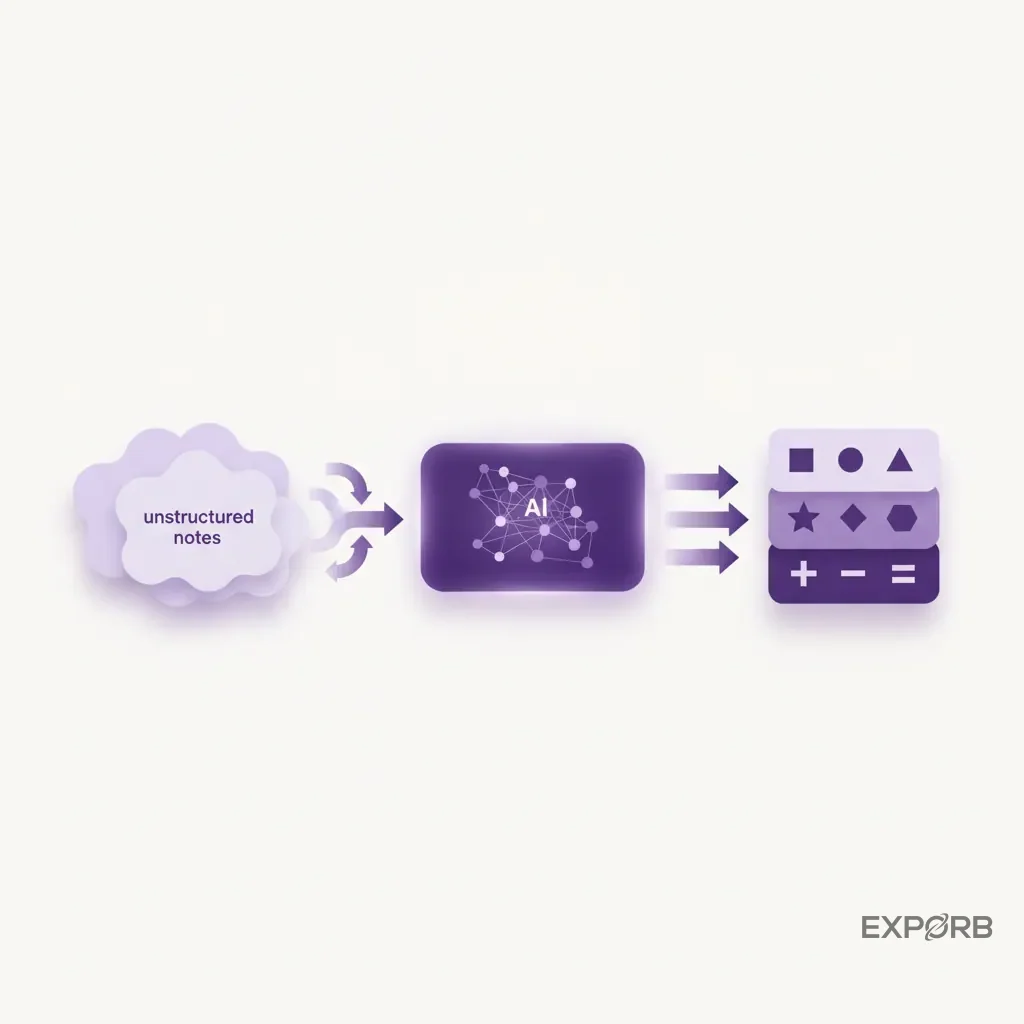
Using AI transcription to turn booth chats into CRM-ready insights
Your team can't possibly remember the details of every conversation. And they shouldn't have to. The best approach treats conversations like digital notes. Instead of scribbling keywords on a card, what if your team could record a quick summary of the conversation? At Exporb, we built our tool so your team can capture voice notes right at the booth. The app works completely offline. When you're back online, AI transcribes the entire conversation, identifies key pain points, and summarizes next steps. You capture, structure, and ready all that rich context for your CRM.
Crafting multi-channel experiences: 8 tips for 2026
An immersive booth doesn't exist in a vacuum. It should be the centerpiece of a larger campaign that starts before the show and continues long after. Here's how to make your investment pay dividends across multiple channels.
Make your booth a content engine for post-show campaigns
Your booth is a soundstage. Film customer testimonials, record short product demos, and interview industry experts against your beautiful backdrop. Every piece of content you capture extends the life of your booth investment, turning a three-day event into months of marketing material.
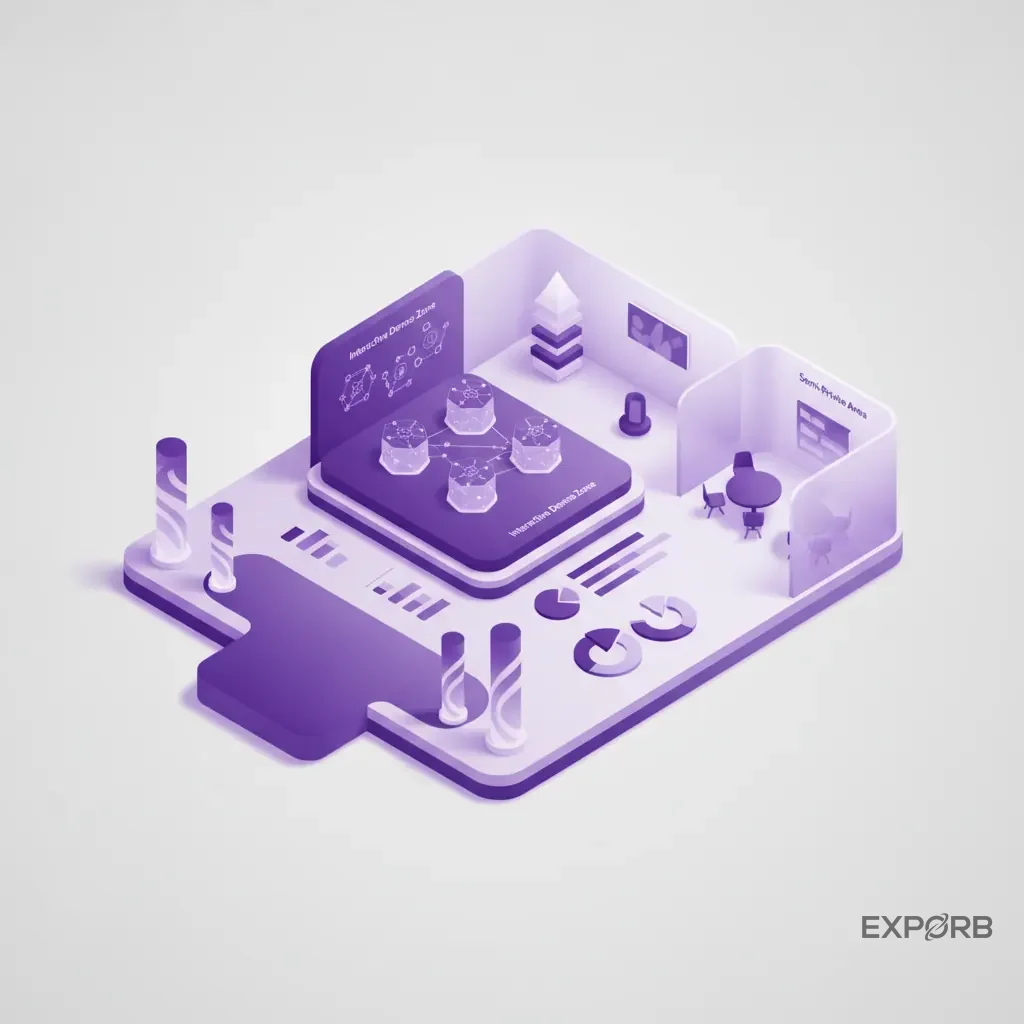
Create dedicated spaces for one-on-one conversations and demos
An open floor plan is great for attraction, but you need semi-private spaces for deeper conversations. A small, comfortable seating area or a quiet demo pod allows your team to move a qualified prospect from the noisy aisle into a focused sales environment. This is where deals start.
Engineer shareable 'micro-moments' attendees can film and post
What's the one thing in your booth people will want to pull their phones out for? A unique AR filter? A mesmerizing kinetic sculpture? A fun photo-op? Designing one highly shareable "micro-moment" can turn your attendees into a volunteer marketing army, extending your reach far beyond the exhibit hall. According to Strategic Factory, this is a key tactic for 2026.
Can smaller teams create immersive experiences without a fortune 500 budget?
Yes. Absolutely. Immersion is about focus and creativity, not budget. You don't need to do everything. In fact, doing one thing exceptionally well is far more effective than doing five things poorly. Pick a lane and own it.
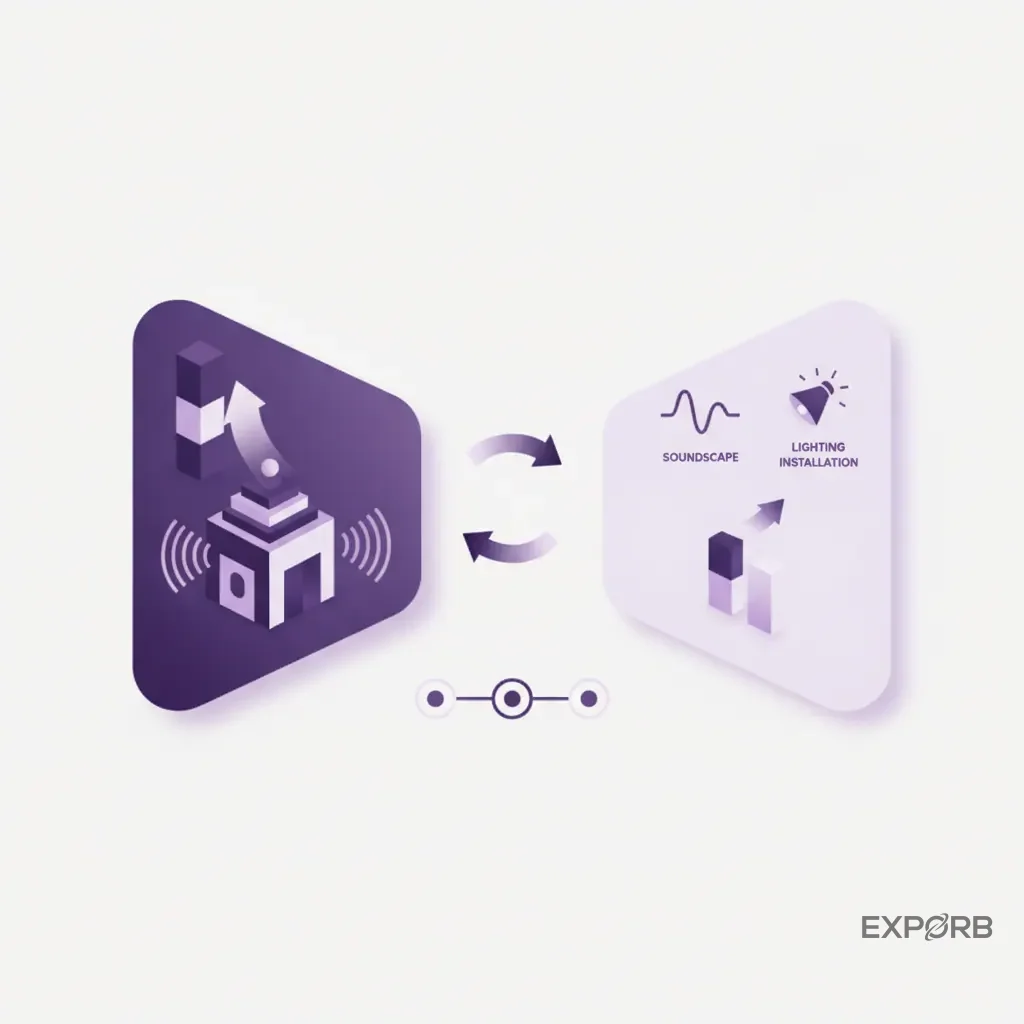
Focus on one sense: powerful storytelling with focused lighting or soundscapes
You don't need a 30-foot LED wall. What if you created a "blackout" booth where the only light source was focused directly on your product, with a compelling audio narrative playing on headphones? By removing all other distractions and focusing on just one or two senses, you can create an incredibly powerful and memorable experience for a fraction of the cost of a high-tech spectacle.
Using low-cost AR and smart QR codes for digital layers
AR doesn't have to be expensive. A QR code on your product or signage can trigger simple, web-based AR experiences, adding a digital layer of information or a fun animation. It's an easy way to add an interactive, modern touch without custom hardware.
Using modular design and rental components to maximize impact
Don't buy a custom-built behemoth you'll only use once. Work with an exhibit house that specializes in modular and rental components. You can create a custom look and feel using flexible, reusable structures, saving money and increasing sustainability. Focus your budget on the elements that matter most—the interactive tech or the key graphic moments.
The rise of the 'sentient' and sustainable booth
Booth design is evolving. It's getting smarter, more responsive, and more responsible. The most advanced exhibitors are already moving toward spaces that adapt to visitors in real time and that you can reuse with minimal waste. This is where data-driven design meets environmental consciousness.
How adaptive booths use sensors and AI to personalize content in real-time
Imagine a digital screen that changes its content based on the demographics or even the dwell time of the person standing in front of it. Using simple presence sensors and AI, "sentient" booths can tailor the experience on the fly. If a visitor lingers on a particular feature, the system can automatically surface a relevant case study or technical spec sheet.
Meeting new sustainability and modular-reuse requirements from venues
Venues and event organizers are cracking down on waste. They're phasing out single-use, disposable booths. The future is modular, reusable, and built with sustainable materials. Designing for reuse helps both the planet and your long-term budget.
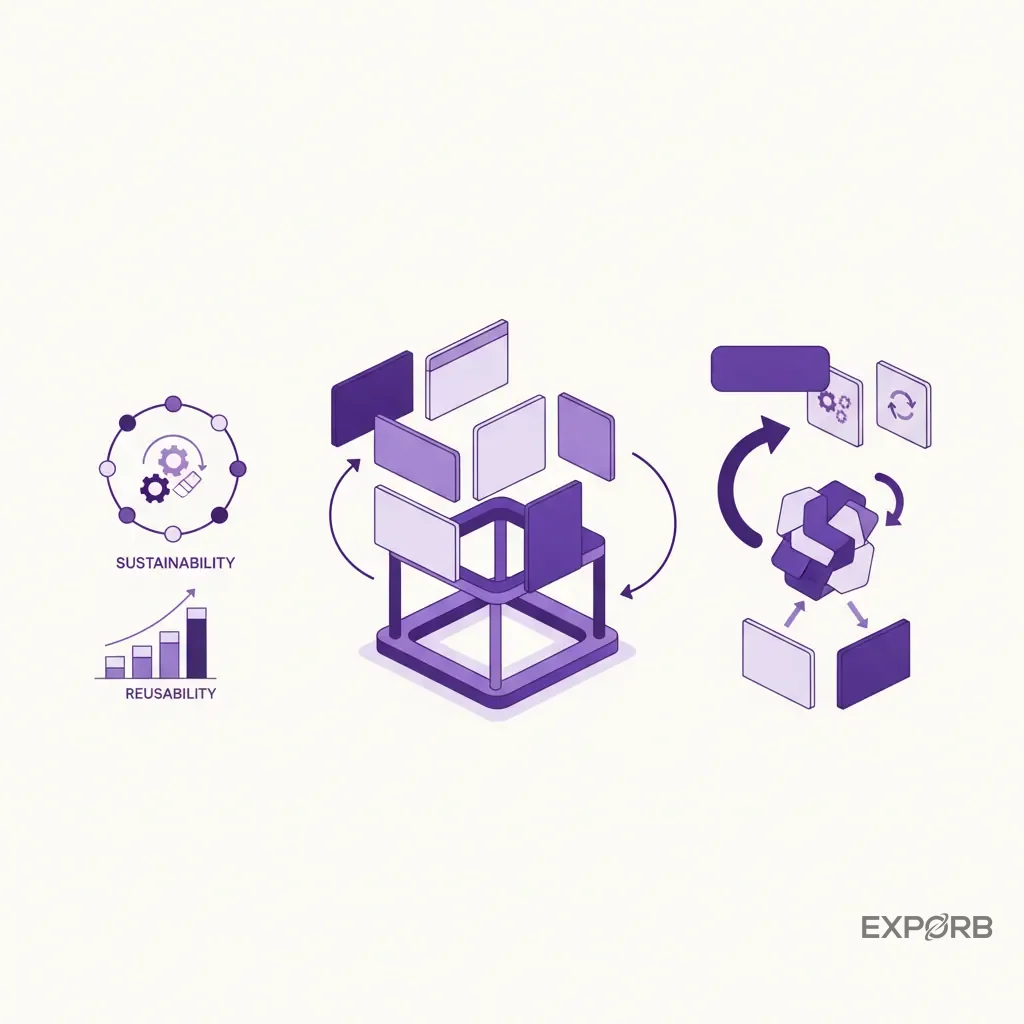
Phygital design: blending tactile materials with responsive digital overlays
"Phygital" blends physical and digital thoughtfully. It uses real, tactile materials like wood or fabric alongside digital surfaces that can respond to touch or presence. This creates a richer, more engaging experience. It appeals to our desire for both authentic textures and dynamic information.
Related: Top 5 Trade Show Marketing Strategies for B2B
Measure what matters: moving beyond simple lead counts
Counting scanned badges as your only metric means you're flying blind. That number tells you nothing about lead quality, booth performance, or ROI. You need to measure the behavior that happens at your booth to understand what's actually working.
Setting KPIs before the show: dwell time and demo completion targets
Before you even book your flight, define your key performance indicators (KPIs). Good KPIs for an immersive booth include:
- Average Dwell Time: How long do people stay?
- Interaction Rate: What percentage of visitors engage with your interactive element?
- Demo Completion Rate: How many qualified prospects complete a full demo?
- Conversation-to-Lead Ratio: How many meaningful conversations turn into a captured lead?
Connecting booth interactions directly to CRM data and sales pipeline
The data you collect at the booth needs to flow directly into your CRM. You should tag each lead with the products they were interested in, the pain points they discussed, and a lead score based on their engagement. When you can draw a straight line from a specific booth interaction to a closed deal in your CRM, you've figured out Event ROI. This is where a solid lead capture app becomes non-negotiable.
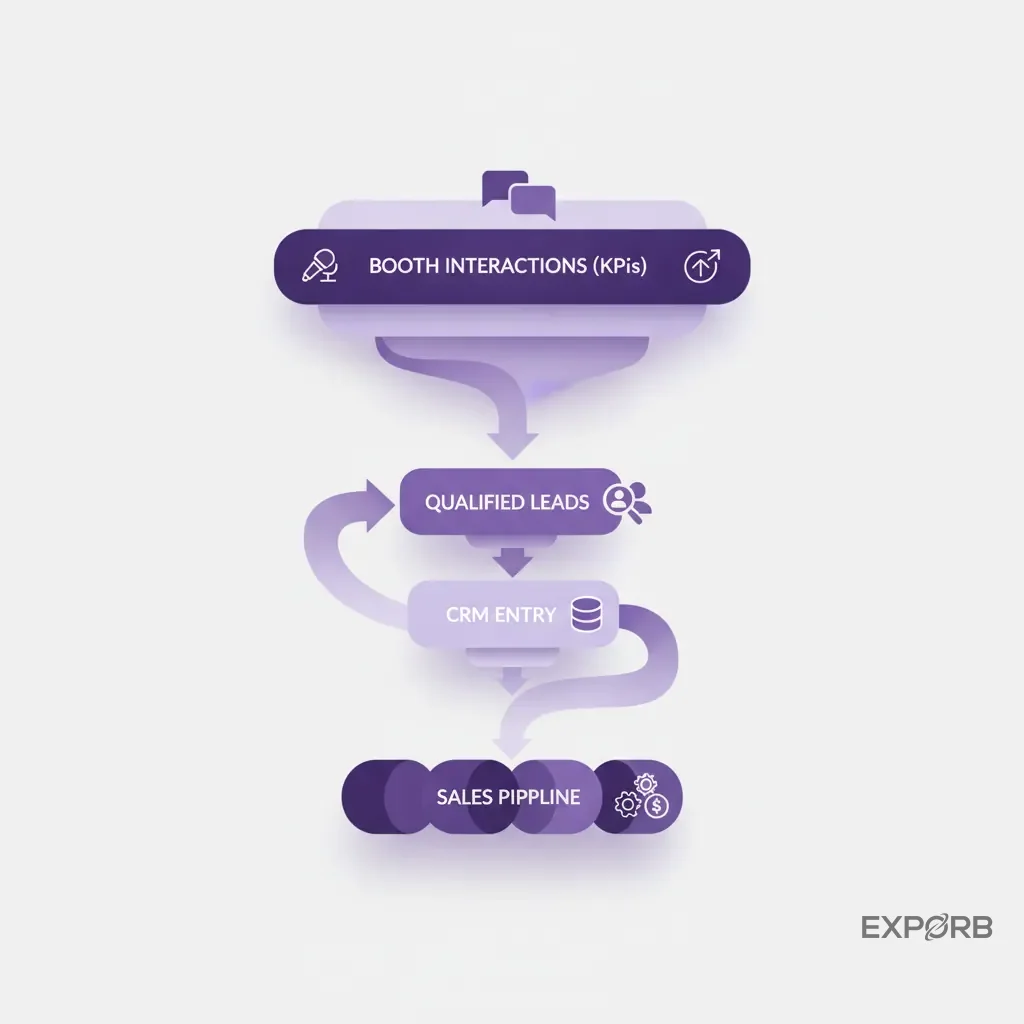
Your post-show analysis: what worked and how to improve for the next event
The work isn't done when the show floor closes. Now it's time to analyze the data. Which interactive element had the highest engagement? Which part of the booth had the longest dwell time? Which sales rep had the most high-quality conversations? Use these insights to refine your strategy and make your next event even more successful.
Your blueprint for a high-performance immersive booth
Creating a powerful booth experience isn't about having the biggest budget. It's about having the smartest strategy. It's about shifting your mindset from "decorating a space" to "designing a conversion engine."
What to do next: treat your booth as a data-driven conversion engine.
Your booth has one job: to attract the right people, tell them a compelling story, and convert their interest into structured, actionable data that your sales team can use to close deals. Every design choice, every piece of technology, and every staff interaction should be optimized for that goal.
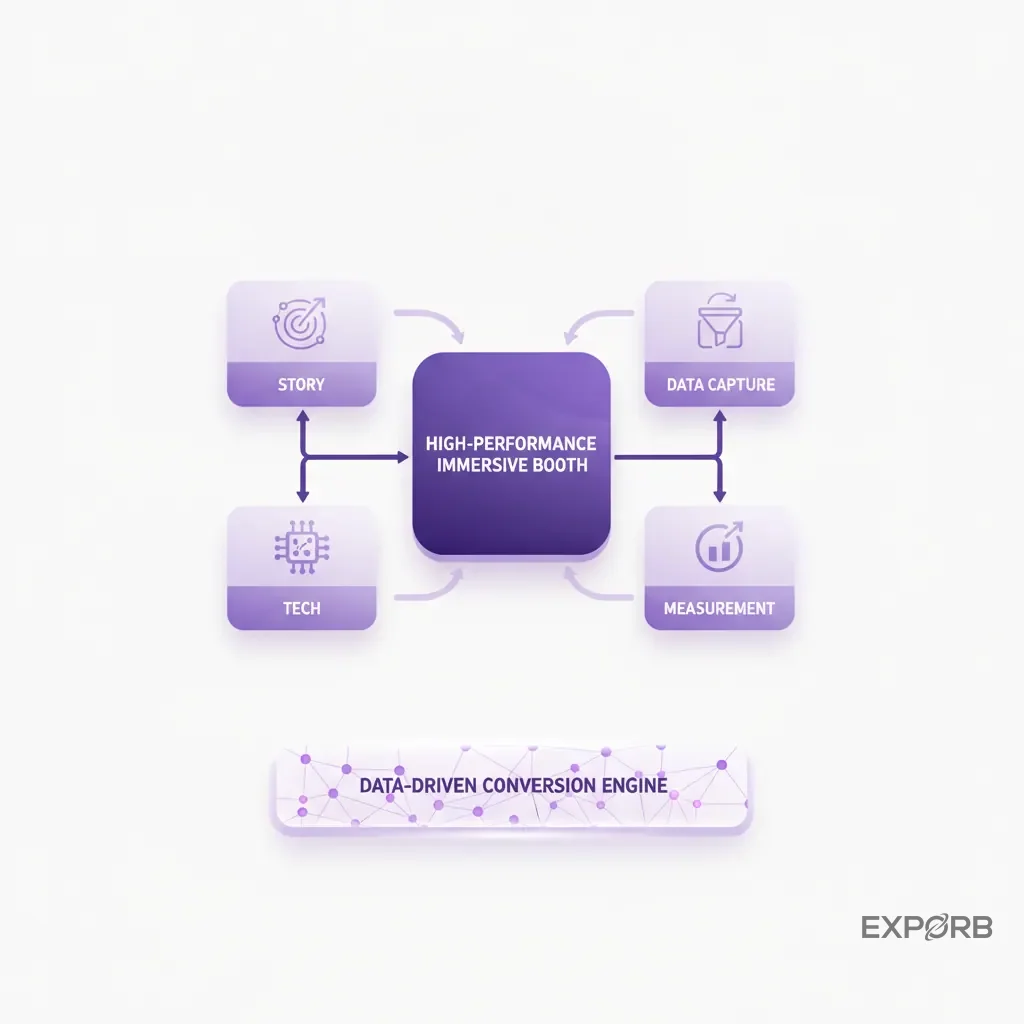
Your next steps: defining your story, tech, and measurement plan
- Define Your Story: What's the single most important message you need to communicate?
- Choose Your Tech: Select one or two interactive elements that help tell that story and engage visitors.
- Plan Your Data Capture: How will you turn conversations into context-rich leads? Don't leave this to chance. A week after the show, manual notes are a mess. Use a tool that allows your team to instantly capture what was discussed and automatically drafts personalized follow-ups, like Exporb's AI-powered email follow-up, which automatically drafts personalized messages.
- Set Your KPIs: How will you measure success beyond a simple lead count?
Ready to improve your trade show presence?
Stop leaving money on the table. A great booth experience combined with a terrible lead capture process means a failed investment. By focusing on a clear story and a disciplined approach to data, you can turn your next trade show into your best source of qualified pipeline.