
What Defines Effective Trade Show Lead Management in 2026?
Effective trade show lead management in 2026 demands a shift from simply collecting contacts to strategically capturing, qualifying, and acting on rich conversation context. Most exhibitors obsess over booth design and completely ignore lead capture. They spend $50,000 looking good and $0 on remembering what was said. That's backwards. Your trade show ROI doesn't hinge on flashy displays; it depends on how well you turn booth traffic into pipeline. We're past the days of fishbowls full of business cards or generic badge scans. The fishbowl full of business cards that nobody will follow up on? Gone. Modern lead management focuses on understanding prospect intent, pain points, and next steps right at the booth.
The Evolving Landscape of Trade Show Leads
The landscape has changed dramatically. Attendees aren't just browsing; they're actively seeking solutions and expecting immediate, personalized engagement. They don't want to recount their story to five different people. You can't rely on paper forms or basic contact info. You need a system that captures the "why" behind their visit. This means adopting tools that let your team record detailed interactions, not just names and emails.
Why Your ROI Hinges on Smart Lead Strategy
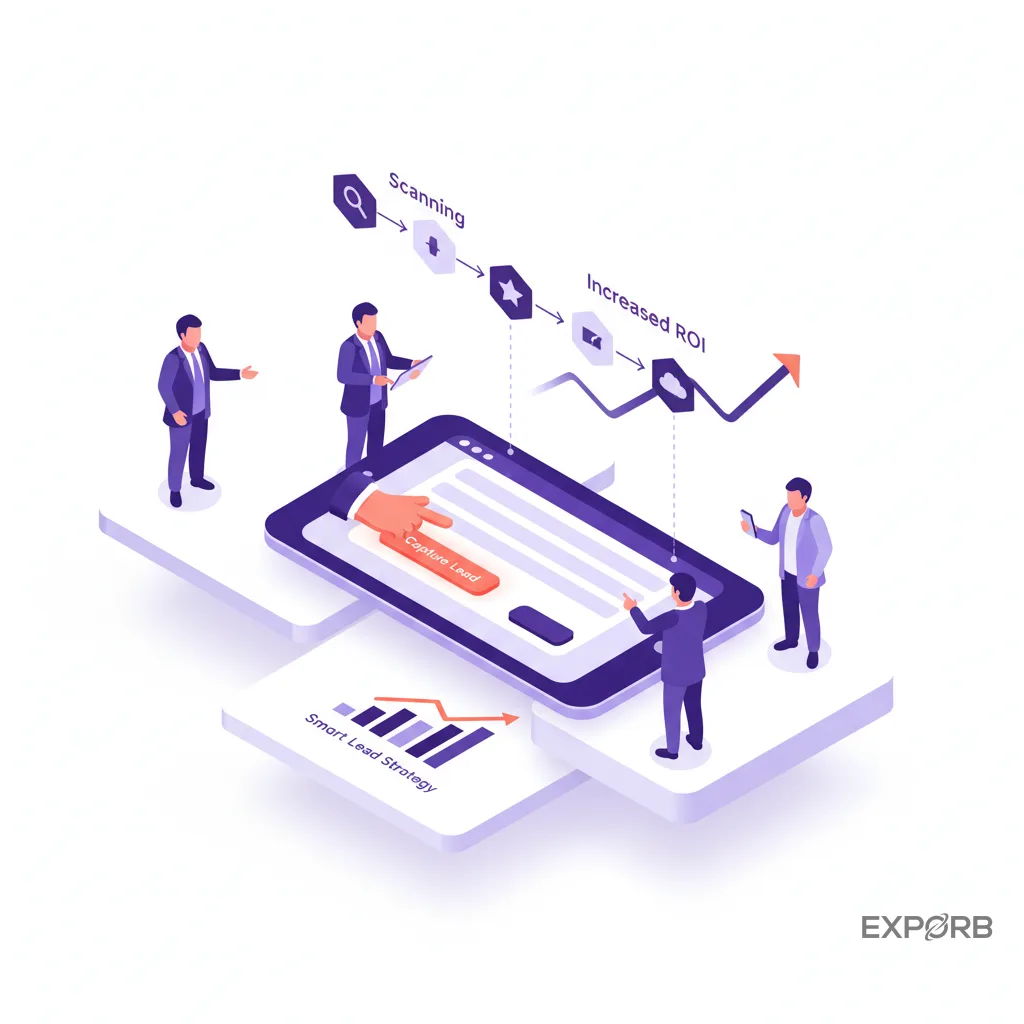
Your return on investment isn't just about the number of leads; it's about their quality and actionability. If your sales team can't remember what they discussed with a prospect, or if the data is messy, they're losing valuable time and opportunities. According to Default.com, 80% of trade show leads never receive any follow-up from exhibitors. That's a huge waste of marketing spend. A smart lead strategy ensures every conversation becomes a structured data point, ready for targeted outreach.
How to Maximize Pre-Show Engagement and Attract High-Intent Leads?
Maximizing pre-show engagement means you're not just hoping for traffic; you're actively drawing high-intent prospects to your booth before the doors even open. Your goal isn't just to be seen. It's to secure valuable conversations with decision-makers who already know your brand and are interested in your solutions. This proactive approach significantly boosts the quality of your leads.
Strategic Pre-Show Targeting and Outreach
Start by identifying your ideal customer profile. Then, craft highly personalized invitations. Don't just send a generic email blast. Segment your existing database and target prospects who align with the event's theme. Use LinkedIn Sales Navigator to find key contacts at companies you want to reach. Tailor your messaging to address their specific pain points. Show them how your presence at the show offers a direct solution. Include an incentive, like a special demo or an exclusive piece of content, to encourage them to visit your booth.
Booking Meetings & Setting the Stage for Success
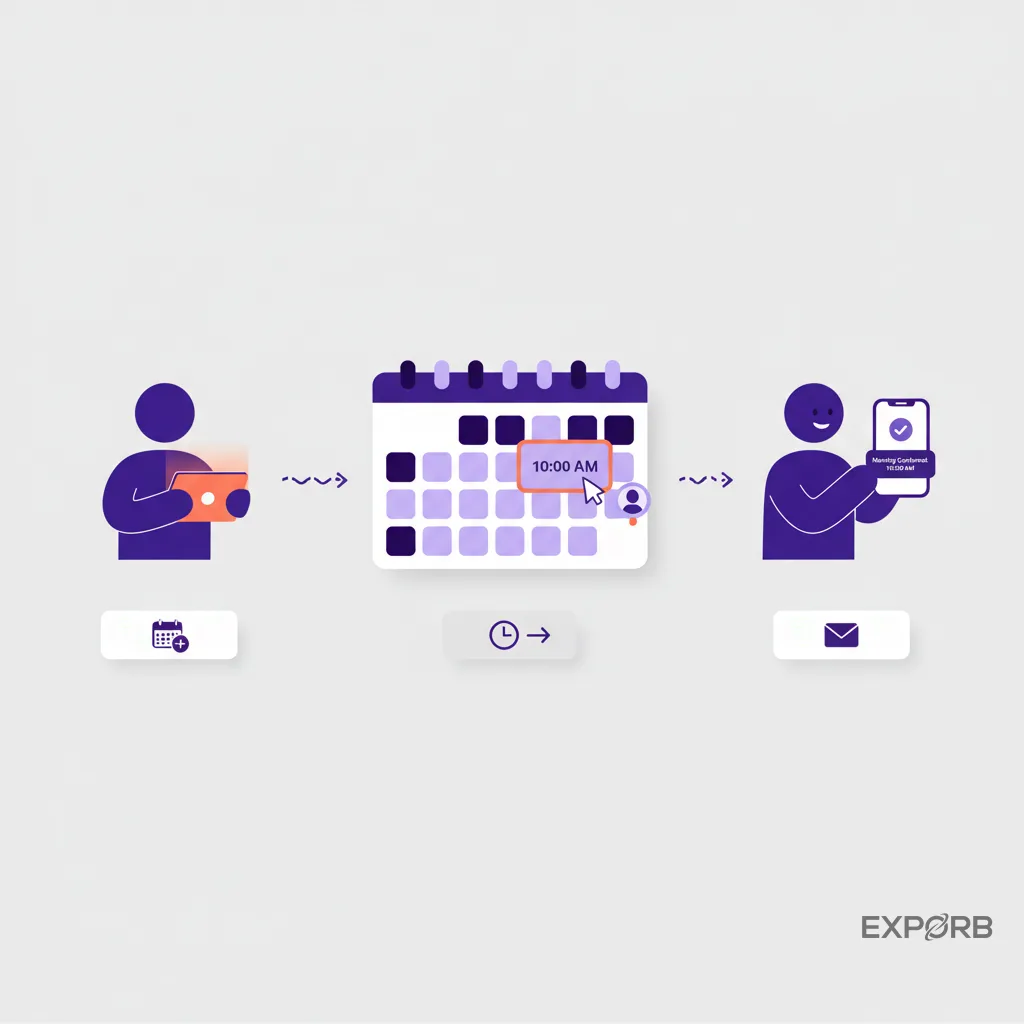
The most effective pre-show strategy involves booking meetings in advance. Offer specific time slots and a clear agenda for the discussion. This turns a casual visit into a dedicated, high-value interaction. It also signals to your team exactly who to expect and when, letting them prepare. You can even offer a small gift or a premium coffee at your booth for those who book ahead. Setting these appointments ensures your booth staff aren't just waiting for walk-ins; they're walking into pre-qualified conversations.
Related: The Ultimate Guide to Trade Show Lead Capture
What Advanced Technologies Power Real-Time Lead Capture and Qualification?
Advanced technologies move beyond basic badge scanning. They power real-time lead capture and qualification with rich contextual data and AI-driven insights. You're no longer simply collecting a name and email; you're gathering the full story of a prospect's interest and needs directly at your booth. This shift is critical for effective follow-up.
AI-Powered Capture: Beyond Simple Scans
Standard badge scanners give you contact details, but they miss the most important part: the conversation. They don't tell you what problems the prospect discussed, their budget, or their timeline. AI-powered capture, however, lets you record voice notes of your discussions, transcribe them, and even extract key interests and pain points automatically. It's digital note-taking, not surveillance. This structured data, enriched by AI, transforms a simple contact into an actionable lead. For founders, this means full visibility into every booth conversation, eliminating the week-long data entry nightmare after a show. It ensures no valuable insights are lost. Exporb, for instance, lets you scan any business card with AI-powered OCR, capture photos, and record conversations — all offline at the booth. When your team reconnects to the internet, Exporb's AI transcribes conversations, extracts key interests and pain points, and generates recommended next steps.
Hybrid Capture Methods for Diverse Attendees
A single capture method won't work for everyone. Some prospects prefer a quick business card exchange; others want a detailed conversation. Your system should support both. Use AI-powered business card scanning for quick contacts and voice notes for in-depth discussions. This hybrid approach ensures you capture data effectively from every type of attendee. It's about flexibility. It ensures you don't miss a single valuable interaction because your tools are too rigid.
Real-Time AI Lead Scoring and Prioritization
You can't treat all leads equally. Real-time AI lead scoring helps your team prioritize. As soon as you capture data – a scanned business card, a recorded conversation, a few qualification tags – AI can analyze it and assign a score. This tells your team whether a lead is "hot," "warm," or "cold," allowing them to focus their energy on the most promising prospects. This immediate prioritization means your sales team can begin targeted follow-up sooner. It significantly improves conversion rates. Lead segmentation into hot, warm, and cold categories improves prioritization and conversion rates by focusing resources on highest-intent prospects.
Comparison of Advanced Lead Capture Methods
How to Design Smart Lead Capture Forms and Qualify Leads On-Site?
Smart lead capture forms and on-site qualification are essential for moving beyond simple contact collection to gathering actionable, zero-party data directly from prospects. Don't just ask for a name and email; ask questions that reveal intent, budget, and timeline. This ensures your sales team receives high-quality, pre-qualified leads, saving them valuable time.
Crafting High-Conversion Digital Forms
Your digital forms should be concise, intuitive, and designed for speed. Don't overwhelm prospects with too many fields. Start with essential contact information, then add a few key qualification questions. Use dropdowns, checkboxes, or rating scales to make data entry fast. For instance, ask about their biggest challenge, their timeline for a solution, or their role in decision-making. Make these forms accessible on tablets or mobile devices your booth staff can easily use. Remember, the goal isn't to collect all data; it's to collect the right data that guides follow-up.
On-the-Spot Qualification: Asking the Right Questions
Booth staff need training on how to qualify leads effectively during a conversation. This means asking open-ended questions that uncover budget, authority, need, and timeline (BANT). Don't just pitch your product. Listen to their challenges. When you're ready to capture their information, ask for consent. Explain how the data will be used. Digital lead capture apps let staff add custom tags and notes during or immediately after the conversation, ensuring that important qualification data doesn't get lost.
The Power of Zero-Party Data Collection
Zero-party data is information prospects willingly and proactively share with you. This is far more valuable than inferred data because it comes directly from the source. When your booth staff captures a prospect's specific pain points, desired features, or budget constraints through conversation and digital notes, that's zero-party data. It lets you personalize follow-up messages with unmatched precision. This detailed, structured context differentiates a truly effective lead capture system from a generic one. It ensures your sales team doesn't forget what they talked about. This gives them a clear path for targeted outreach.
Is Your Booth Staff Ready? Training for Elite Lead Capture and Engagement.
Your booth staff are your front-line lead capture specialists; their training is just as important as your booth design, if not more so. You can spend a fortune on a visually stunning booth, but if your team can't engage, qualify, and capture information effectively, you're just throwing money away. Elite lead capture starts with an elite team.
Equipping Your Team for High-Value Conversations
Training isn't just about product knowledge; it's about mastering the art of the conversation. Equip your team with clear talking points, elevator pitches, and responses to common objections. More importantly, teach them to listen actively, ask probing questions, and identify pain points. They should understand your ideal customer profile inside and out. This way, they can quickly recognize a high-potential lead. Product demonstrations, even brief 5-minute sessions, create stronger impressions than verbal explanations alone. Help them be consultants, not just pitchmen.
Mastering Lead Qualification and Data Entry
Your team needs to be proficient with your chosen lead capture technology. This means hands-on training on how to use the app, scan business cards, record voice notes, and add qualification tags quickly and accurately. The goal is to minimize friction in the capture process so they can maintain eye contact and focus on the conversation. They should understand the importance of immediate, accurate data entry – messy data means lost opportunities. Badge scanners, digital tablets, and mobile apps reduce manual entry errors. They also free booth staff for higher-value engagement. Ensure they know how to categorize leads (hot, warm, cold) and add personalized notes that will be invaluable for follow-up.
How Does CRM Integration Supercharge Your Trade Show Lead Management?
CRM integration doesn't just centralize data. It supercharges your entire trade show lead management process by providing smooth follow-up and critical real-time visibility for founders. The goal is to get captured lead data into your sales pipeline as efficiently as possible, eliminating manual bottlenecks and ensuring no lead falls through the cracks.
Centralizing Data for smooth Follow-Up
After the show, the clock is ticking. You can't afford to spend days or weeks manually transcribing notes and importing contacts. Data consolidation into a centralized CRM before outreach begins prevents lead loss and improves follow-up efficiency, confirms Default.com. While our platform doesn't directly integrate with CRMs, it provides solid export options to CSV/Excel. This lets you easily import all your structured data, including AI insights and recorded conversations, into virtually any CRM. It ensures your sales team has all the context they need to craft personalized follow-up messages immediately.
Real-Time Visibility for Founders
For founders, trade shows can be a black box. You invest heavily, but often have no idea what conversations your team is having or how good the leads are until weeks later. A solid lead management system gives you real-time (or near real-time, once data syncs) visibility into every interaction. You can see how many leads were captured, their qualification scores, and even review conversation notes. This level of transparency lets you assess the quality of leads your team is generating, identify coaching opportunities, and make data-driven decisions about your trade show strategy. You won't be blind to what your teams learn at events; you'll have full control and understanding of your pipeline.
Navigating Data Privacy in 2026: GDPR Compliance for Trade Show Leads.
Navigating data privacy in 2026 is non-negotiable; GDPR compliance for trade show leads requires explicit consent-based collection and secure data handling practices. Ignoring these regulations doesn't just risk fines. It erodes trust with your prospects. You can't afford to be careless with personal data.
Consent-Based Collection and Transparency
Always obtain clear, unambiguous consent before collecting any personal data. This means more than just scanning a badge. Inform prospects what data you're collecting, why you're collecting it, and how you'll use it (e.g., for follow-up communications, product updates). Make this information easily accessible, perhaps through a short privacy policy link on your digital capture forms. For conversation recordings, ensure you explicitly state that the conversation is being recorded for note-taking purposes. Offer an opt-out. Transparency builds trust.
Secure Data Handling and Storage
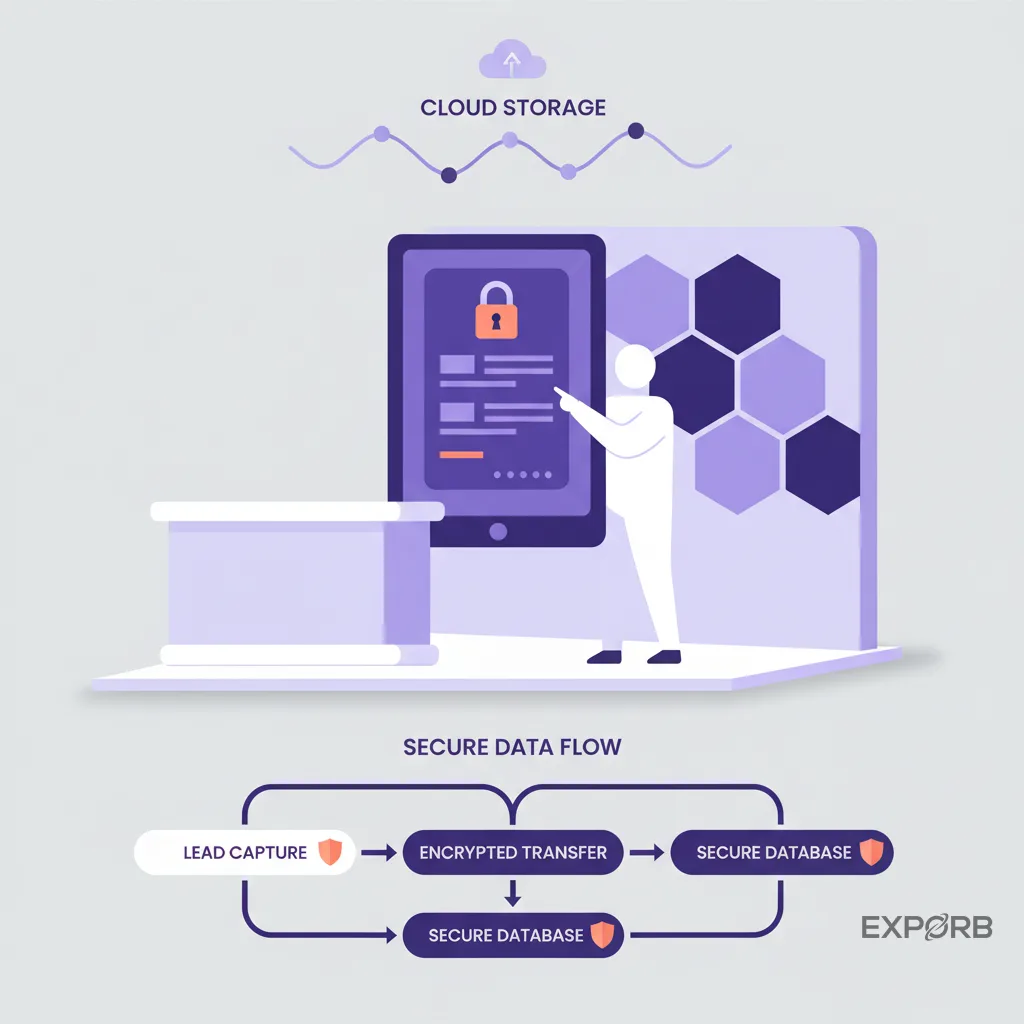
Once you've collected data, you're responsible for its security. Ensure your lead capture platform encrypts data both in transit and at rest. Access to lead data should be restricted to authorized personnel only, with role-based permissions. Implement strong password policies and multi-factor authentication for all users. Regularly review your data storage practices to ensure they meet current privacy standards. Remember, a data breach doesn't just carry legal penalties; it significantly damages your brand's reputation.
What Are the Best Strategies for Rapid and Personalized Post-Show Follow-Up?
The best strategies for post-show follow-up prioritize speed and personalization. They ensure you connect with prospects while their interest is still high and their memory of your conversation is fresh. Most exhibitors wait too long, losing momentum and allowing competitors to swoop in. Don't make that mistake.
The Critical 24-48 Hour Follow-Up Window
Don't wait. Most exhibitors wait two weeks after the show to follow up, by which time leads have already forgotten the conversation. The optimal follow-up window is 24-48 hours. Advanced exhibitors implement a 1-hour follow-up rule with automated welcome emails triggered within 60 minutes of lead capture. Tools like Exporb make this possible by giving your sales team structured conversation data — pain points, interests, and recommended next steps — ready to export the moment the show ends. No week-long data entry. Just export to CSV and start your outreach.
Omnichannel Nurturing with Behavioral Triggers
Your follow-up shouldn't limit itself to email. Develop an omnichannel nurturing strategy that includes personalized emails, LinkedIn messages, and even phone calls for your highest-priority leads. Use behavioral triggers to guide your outreach: did they visit a specific product page on your website after the show? Did they download a piece of content? Tailor your next communication based on these actions. This shows you're paying attention and delivering relevant value.
Personalizing Outreach with Conversation Context
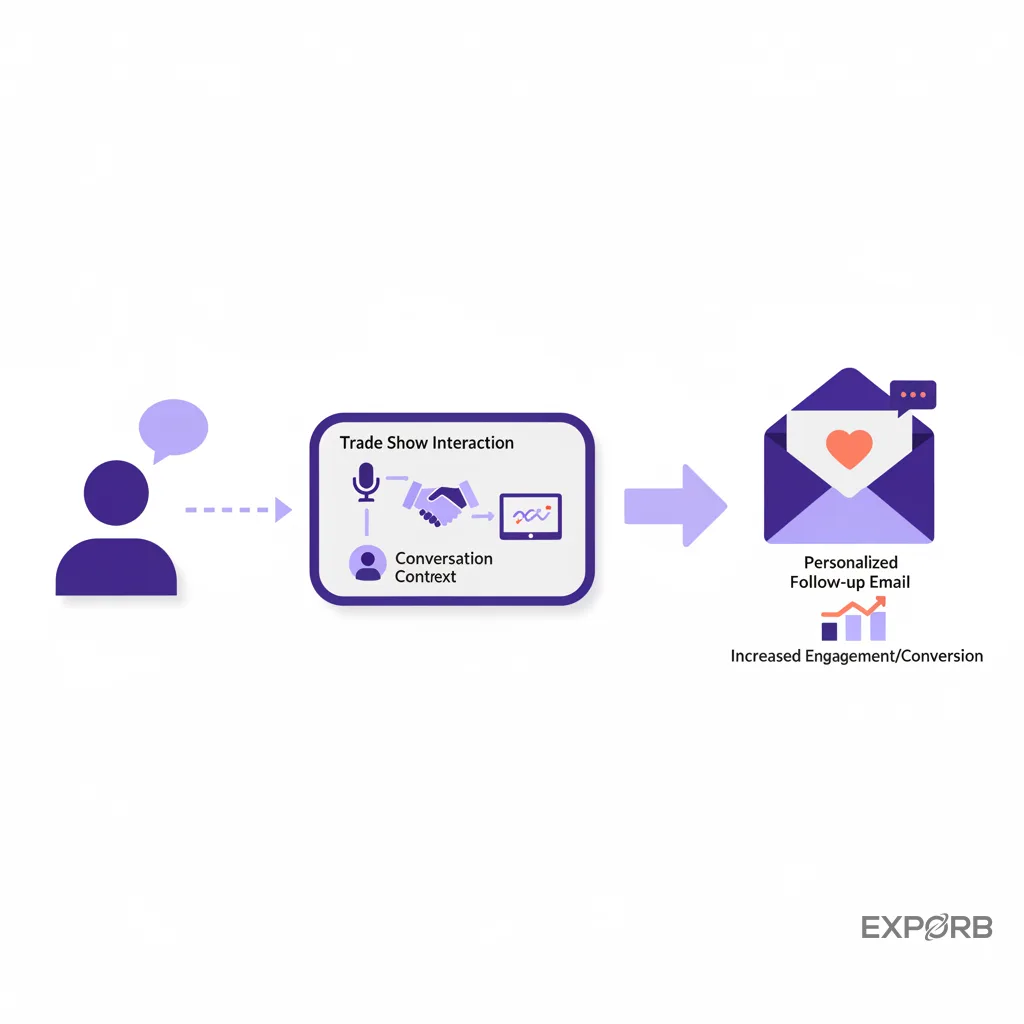
This is where rich lead data truly shines. Personalized outreach referencing booth conversations increases conversion probability significantly compared to generic follow-up. When your sales team can say, "It was great discussing [specific pain point] at the show, and I recall you were interested in [specific solution feature]," it makes a huge difference. This level of detail isn't possible with just a name and email. It requires the contextual notes, qualification tags, and even transcribed voice notes that a solid lead capture platform provides. It ensures your follow-up feels like a continuation of a valuable conversation, not a cold sales pitch.
Related: 2026 Guide to Trade Show Lead Generation
Beyond the Booth: using Predictive Analytics for Pipeline Optimization.
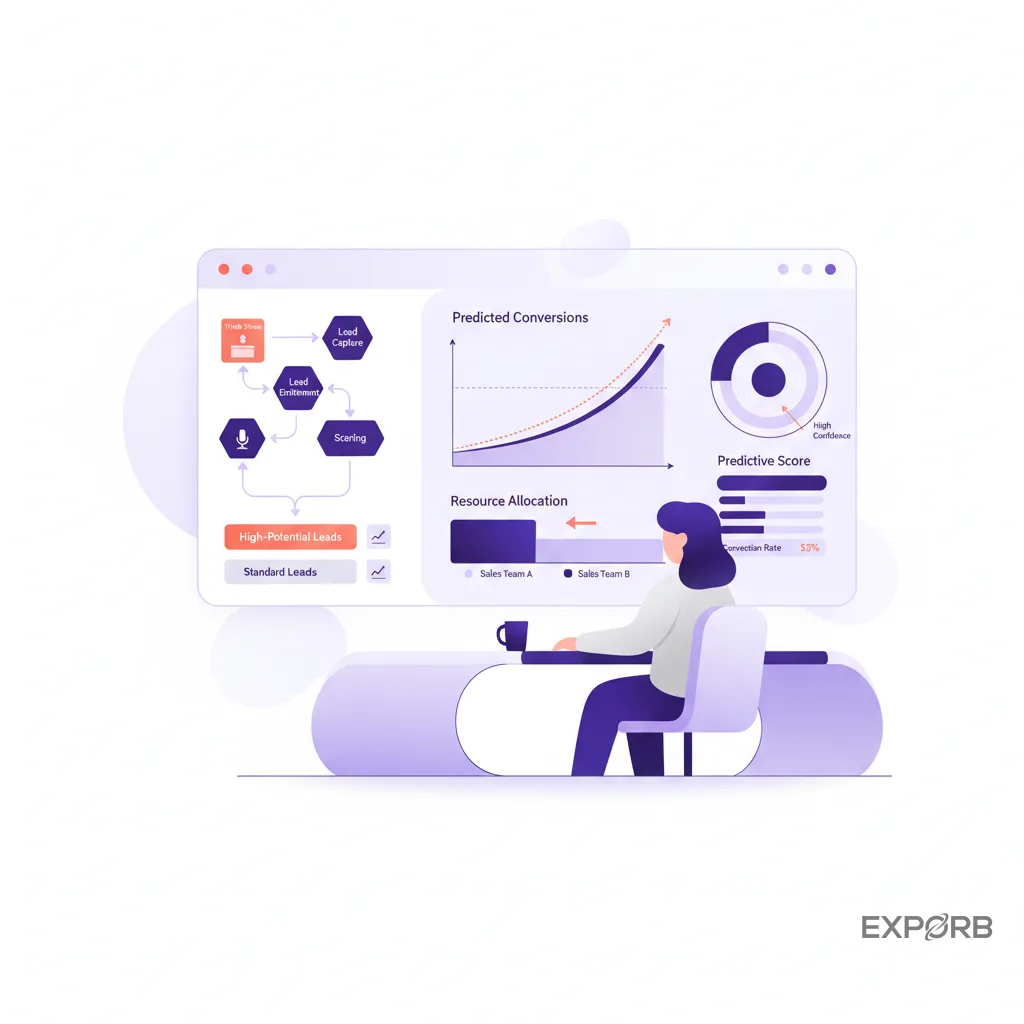
Beyond the booth, using predictive analytics transforms raw lead data into strategic insights, helping you optimize your sales pipeline and forecast future conversions with greater accuracy. You're not just reacting to leads; you're proactively shaping your sales efforts.
Identifying High-Intent Prospects with AI
Predictive analytics, often powered by AI, can analyze your captured lead data, historical sales cycles, and customer profiles to identify which prospects are most likely to convert. This goes beyond simple lead scoring. It looks for subtle patterns and correlations that human analysis might miss. It pinpoints high-intent prospects who deserve immediate attention. This means your sales team can focus their valuable time on the leads with the highest probability of closing, making their efforts far more efficient.
Forecasting Conversions and Resource Allocation
With predictive analytics, you can move from educated guesses to data-driven forecasts. By understanding which types of leads convert best and at what rate, you can more accurately predict future pipeline value and revenue. This enables better resource allocation. It helps you decide where to invest more sales effort, what marketing campaigns to prioritize, and even how to staff your next trade show. It turns your trade show investment into a predictable, measurable growth engine.
Building a Future-Proof Trade Show Lead Management System.
Building a future-proof trade show lead management system means investing in tools and strategies that prioritize context, efficiency, and actionable data, ensuring your efforts continue to deliver strong ROI. Don't just chase trends; focus on foundational principles that stand the test of time.
Key Takeaways for 2026 Exhibitors
You've got to stop treating lead capture as an afterthought. It's the most important part of your trade show strategy. Prioritize quality over quantity, always capture conversation context, and help your team with easy-to-use digital tools. Embrace AI not as a replacement for human interaction, but as a powerful assistant that structures and enriches the data your team gathers. And remember, the real value of a lead isn't just their contact info; it's the story of their needs and how you can solve them.
Your Action Plan for Elevated ROI
Start by auditing your current lead capture process. Where are your bottlenecks? Are you losing valuable context? Next, invest in a modern lead capture solution that supports offline functionality, AI enrichment, and flexible data export. Train your staff thoroughly, not just on product, but on active listening and effective qualification. Finally, commit to rapid, personalized follow-up. Don't let your investment in trade shows become a black hole of forgotten conversations and dead business cards. Turn every interaction into a meaningful step towards a new customer.