I used to tape business cards to A4 paper. Here's why I switched to digital business cards.
My first trade show was Canton Fair in Guangzhou, back in 2013. I was working at a quality control company and had never seen anything that big: 1.2 million square meters of exhibition space, thousands of booths, and everybody shoving business cards at each other like confetti.
By day three I had about 400 cards stuffed in a bag. Back at the hotel, our "system" was elegant. Tape each card to an A4 sheet. Scan the sheets. Run OCR. Manually fix the OCR mistakes. Enter everything into a spreadsheet.
We lost maybe 30% of the contacts to bad scans and illegible handwriting. And that was a good week.
I've been going to trade shows for 13+ years now. Every company I've worked at, same story. Shoeboxes full of cards, frantic post-show data entry, and the sinking feeling that you're forgetting someone important.
That experience is why I eventually built Exporb. But before we get there, let's talk about the thing that's supposed to replace paper cards.
What is a digital business card, really?
Strip away the marketing fluff and a digital business card is a webpage. That's it. A mobile-friendly landing page with your name, title, contact info, and some links. You share it via a QR code, an NFC tap, or a plain URL. Nothing fancy under the hood.
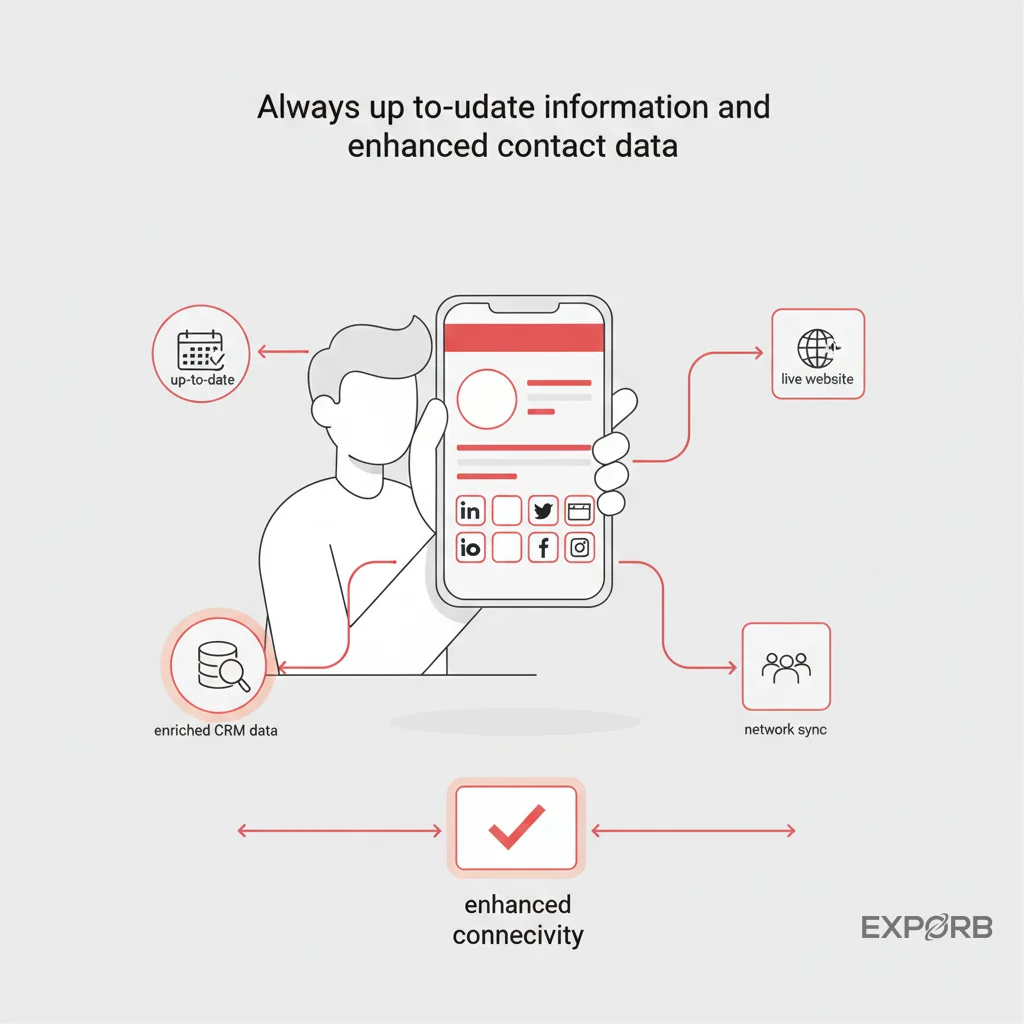
The "digital" part means you can update it anytime. Changed jobs? New phone number? Update once, and everyone who has your card sees the new info. No reprinting. No awkward "oh, that number's old" moments.
Some people get confused by the terminology — digital card, virtual card, electronic card, vCard. They all mean the same thing. The only real distinction worth knowing:
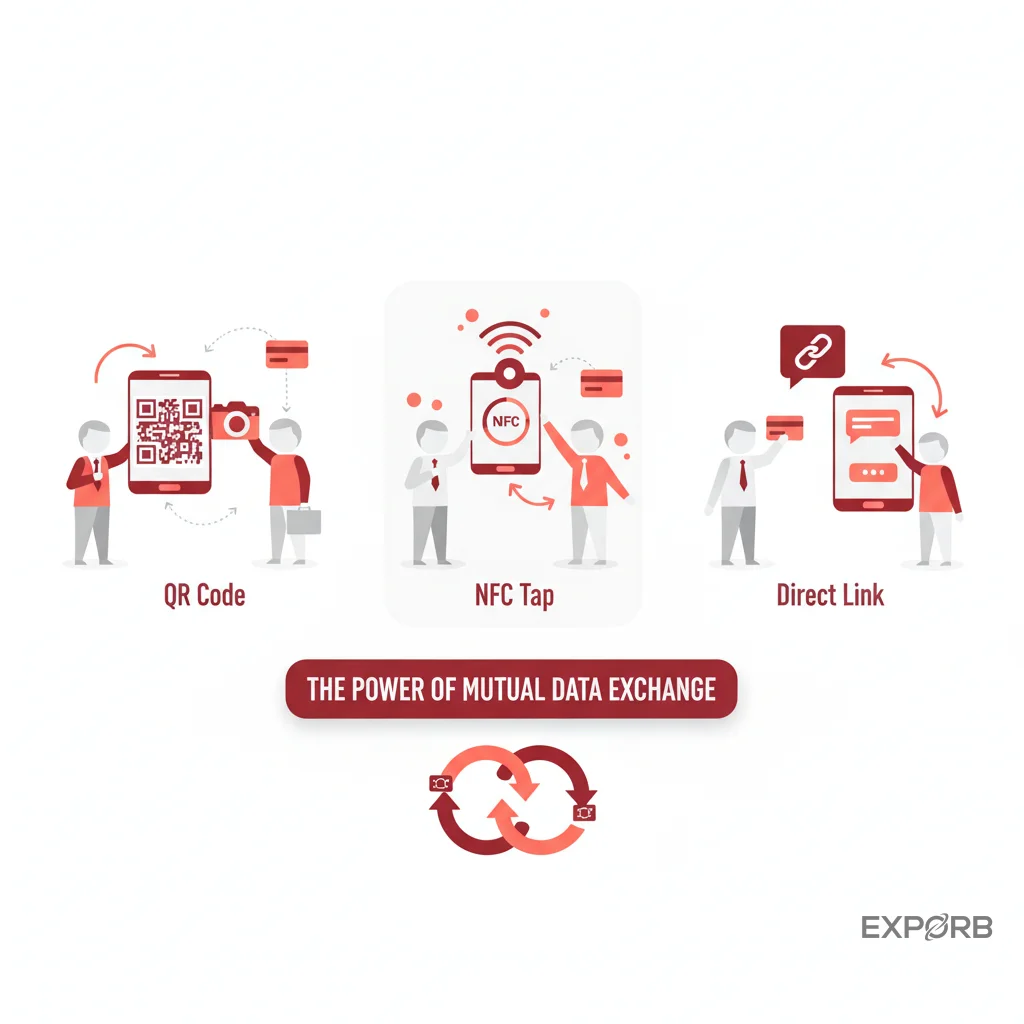
QR code cards are the simplest: you show a code, they scan it with their phone camera. NFC cards use a physical card or tag with a chip inside — they tap their phone to it, feels like magic, works like a URL redirect. App-based cards skip the scan entirely and just share a link via text, email, or AirDrop.
NFC gets the most hype because it looks cool at trade shows. But QR codes work on literally every smartphone without any special hardware. Don't overthink this part.
The paper card problem (it's worse than you think)
Here's a stat that should bother you: 88% of paper business cards get thrown away within a week. Not lost, thrown away. On purpose.
Think about what that means for trade shows. You spend $30K-$100K on a booth, fly your team across the country, work the floor for three days, collect 500 cards... and 440 of them end up in hotel trash cans before Friday.
Over 7 billion business cards get printed every year. That's 12,000 tonnes of paper. For something with an 88% failure rate.
And it's not just the waste. Paper cards are static. They can't:
- Tell you if someone actually looked at your info
- Capture their contact details in return
- Integrate with your CRM
- Update when your details change
- Include a video, portfolio, or booking link
I'm not saying paper cards are dead for every situation. A well-designed card still makes a strong first impression at a dinner meeting. But for high-volume events like trade shows and conferences? Paper is a liability.
How digital business cards actually work (the 60-second version)
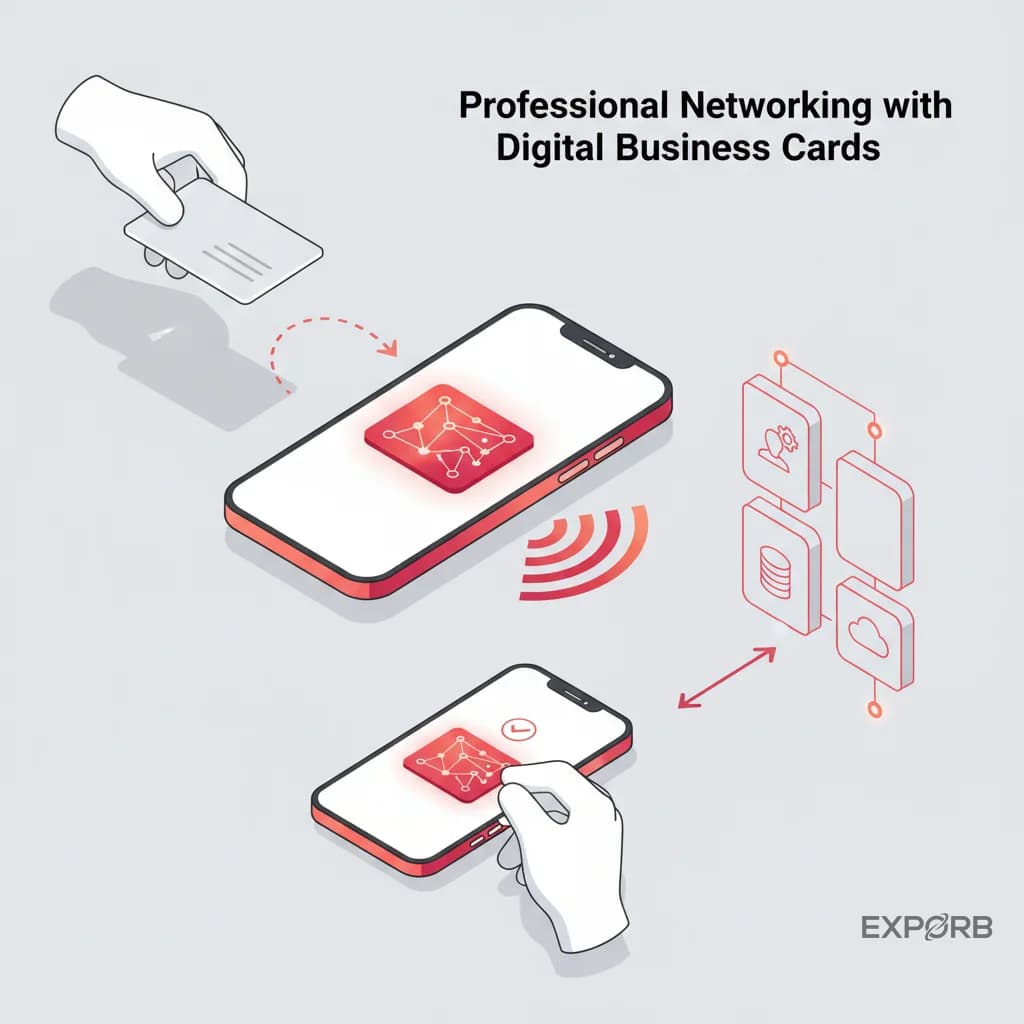
You sign up for a platform. You fill in your details: name, title, company, phone, email, photo, links. The platform generates a profile page with a unique URL.
Then you share that URL however you want:
At events: Display a QR code on your phone, your booth standee, or a physical NFC card. Someone scans or taps, your profile opens on their phone, they save your contact with one click.
Online: Drop the link in your email signature, LinkedIn messages, Zoom backgrounds, or Slack profiles. It's just a URL. Works anywhere.
One-on-one: Pull up your card, show the QR code, done. Takes about 3 seconds.
The recipient doesn't need an app. They don't need an account. They just see your profile in their browser and can tap "Save Contact" to add you to their phone.
Some platforms also do two-way exchange. They capture the other person's info too, through a quick form or by scanning their paper card. This is where things get interesting for sales teams.
What to actually look for (and what doesn't matter)
I've seen people spend hours comparing card designs and animation effects. That's the wrong thing to optimize for. Here's what actually matters:
Things that matter
CRM integration. If you can't get contacts into Salesforce, HubSpot, or at least a CSV file, you're just collecting digital confetti. This is the #1 feature for any B2B team.
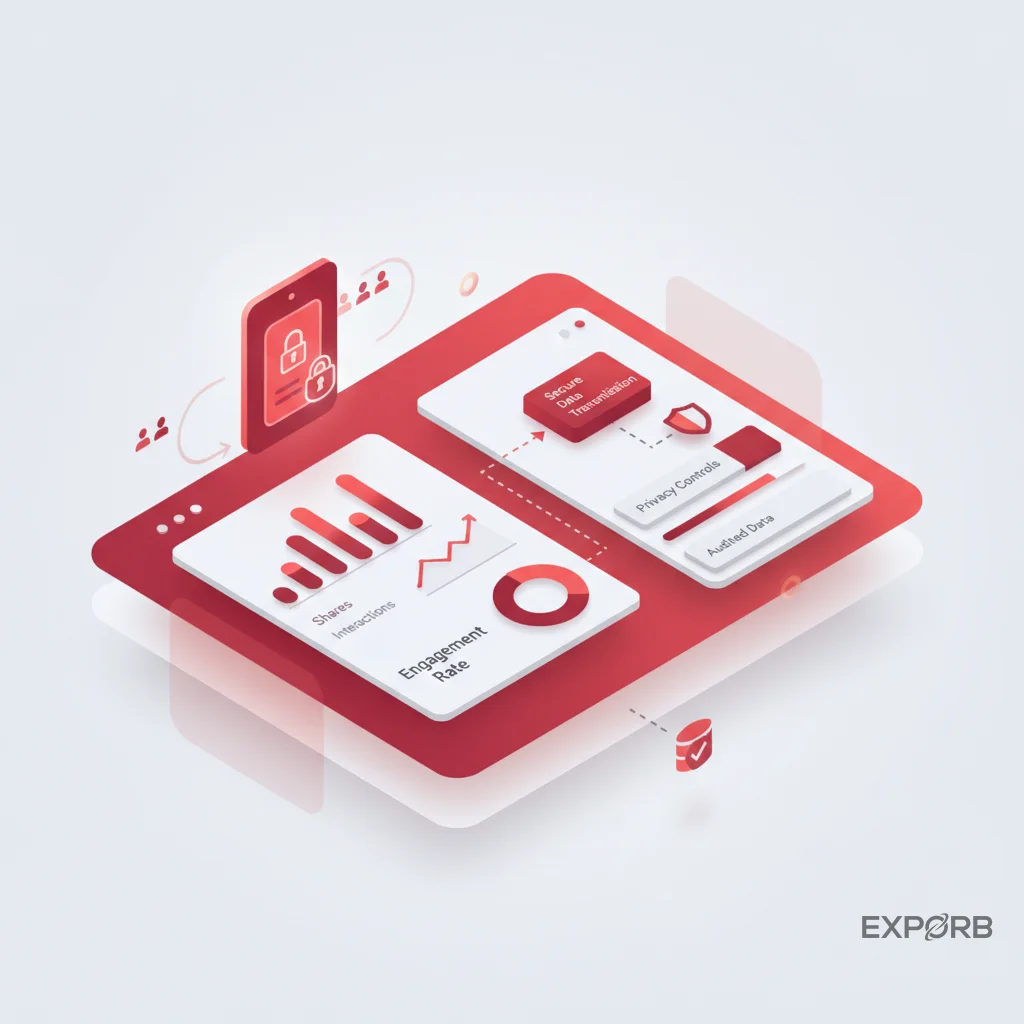
Analytics. How many people viewed your card? How many saved your contact? Which links did they click? Without this data, you can't measure ROI. You're guessing.
Team management. If you've got a sales team of 8, you need to give them all cards with consistent branding, update them centrally, and see aggregate stats. Managing 8 individual accounts is a nightmare.
Lead capture forms. The ability to ask a quick question or two when someone views your card, like "What's your role?" or "What are you looking for?", turns a passive exchange into qualified lead data.
Things that don't matter (much)
Fancy animations. Your card doesn't need to spin or glow. Clean and fast beats flashy and slow.
100+ integrations. You need 2-3 integrations max. Your CRM. Maybe your email tool. Maybe Zapier as a bridge. That's it.
AR features. Some platforms market augmented reality overlays. Fun demo, zero real-world usage. I've never seen anyone use AR at an actual trade show.
The platforms worth considering in 2026
I'm not going to rank 20 apps and pretend I've deeply tested each one. Here's what I know from talking to exhibitors, reading reviews, and actually using some of these:
Blinq. The current G2 leader. 4.9/5 across 150,000+ reviews. Strong team management, decent analytics, works with Apple Wallet. If you want a safe, well-rounded pick for a mid-size team, start here. Paid plans run about $4.99/card/month for business features.
Tapni. Focused on NFC cards and physical products. Good for teams that want a premium physical card that links to a digital profile. Their event lead capture features are solid. Popular with European exhibitors.
Popl. Good for individuals and small teams. Clean interface, affordable. Less depth on analytics compared to Blinq.
HiHello. Strong free tier. Good if you're an individual or freelancer who doesn't need team features. The paid plans add CRM export and custom branding.
CamCard. The OCR specialist. It scans paper cards with AI and digitizes them. Pricing around $9.99/month. Best for teams that still receive a lot of paper cards and need to digitize them fast.
Kado. Newer player targeting sales professionals. Lead capture forms, analytics, and CRM export at $4.99/month. Worth a look if you're price-sensitive.
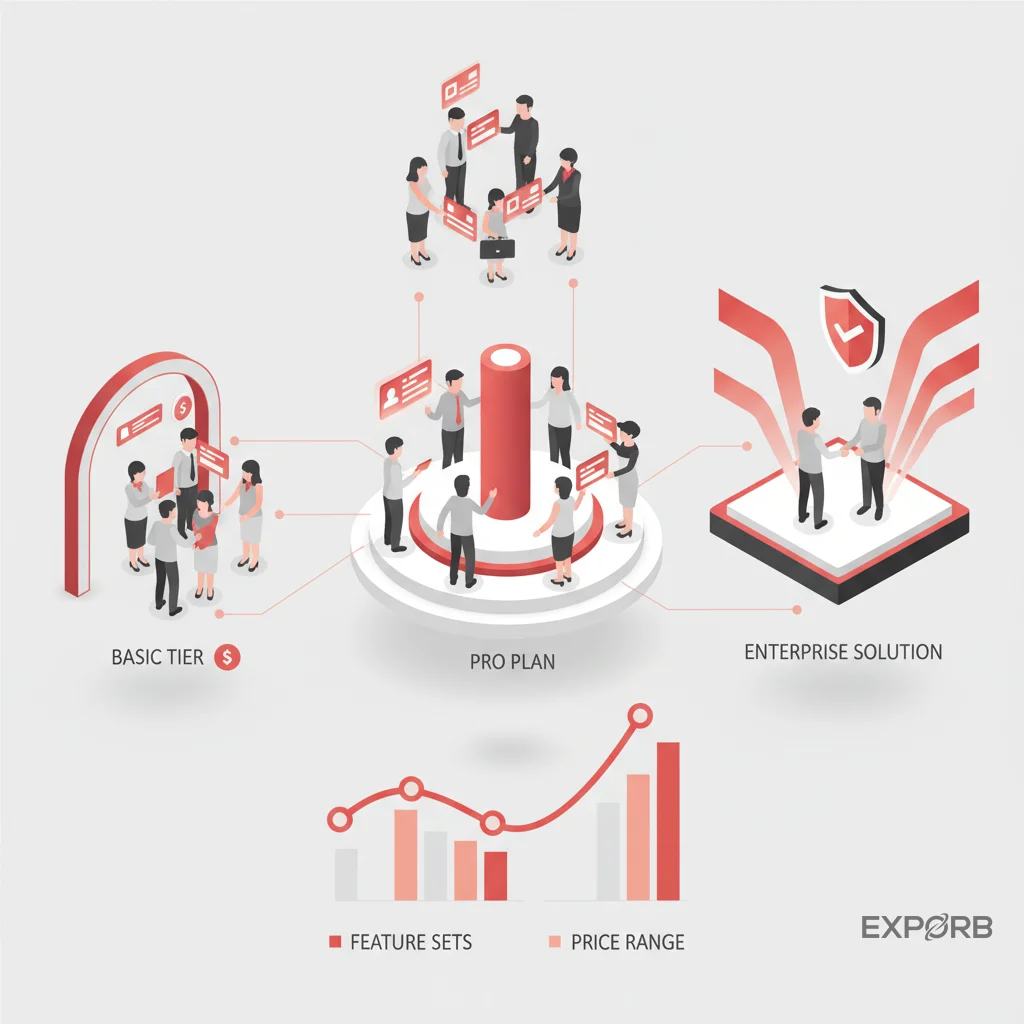
Digital business card platforms compared, pricing as of April 2026
Free vs. paid: the honest breakdown
Every platform has a free tier. And for personal use (sharing your contact at a dinner party), free works fine. You get a basic profile, a QR code, and a shareable link.
But free tiers always skip the features that make digital cards valuable for business:
- No CRM integration
- No team management
- No analytics (or very basic)
- No custom branding
- No lead capture forms
If you're a solo freelancer, stay on free. If you're running a sales team at trade shows, budget $5-10/user/month and get the business tier. The data alone is worth it.
Where digital cards fall short (the part nobody talks about)
Here's my honest take on where digital business cards still have problems in 2026:
They don't capture conversation context. A digital card exchange gives you a name, title, email. Maybe a company. But it doesn't tell you what you talked about, what their pain points are, or whether they're a hot lead or just browsing. After meeting 200 people at a trade show, names blur together.
They assume the other person cares. You share your beautiful digital card. They glance at it, maybe save the contact, and forget about you by the next booth. There's no mechanism for meaningful follow-up beyond "hey, we met at the show."
Team adoption is hard. Getting 15 sales reps to consistently use a new tool is like herding cats. If the app is clunky or adds friction to their workflow, they'll revert to paper within a week.
NFC isn't universal. Not every phone supports NFC. iPhones only started reliably reading NFC tags with background scanning in iOS 14. Older Android phones are hit or miss. Always have a QR fallback.
The data stays siloed. Most digital card platforms don't talk to each other. If your contact uses Popl and you use Blinq, there's no magic sync. You're still dealing with fragmented data.
This is the gap I kept running into as a founder. Digital cards solve the exchange problem. But they don't solve the follow-up problem or the context problem.
What we built with Exporb (and why it goes beyond a digital card)
I talked to 50+ exhibitors before building Exporb, and they all said the same thing: "We capture contacts fine. We just lose the context."
So we built something different. Exporb isn't a digital business card platform. It's a trade show lead capture tool that combines:
- Point your phone at a paper or digital card and OCR extracts the info — no manual typing
- Voice notes, so you can record a 30-second memo right after the conversation, even offline
- AI transcription + analysis that identifies pain points, key interests, and suggests next steps
- Team visibility so you can see every conversation your team captured. No more "how'd the show go?" followed by vague answers.
The core idea: your business card (digital or paper) gets you the contact. Exporb gets you the deal.
I'm biased, obviously. But I built it because I spent 13 years watching leads die between the handshake and the CRM entry. Digital cards are a step forward. They're just not the whole solution.
Rolling out digital cards to your team (what actually works)
If you're thinking about switching your team from paper to digital, here's what I've seen work:
Start with your next event, not "someday." Pick a specific trade show. Tell the team "we're going digital for CES" or "we're testing this at HIMSS." A concrete deadline forces action.
Pick ONE platform. Don't let people choose their own. You need consistent branding and centralized data. Evaluate 2-3 options, pick one, commit.
Make it stupidly easy. Pre-load everyone's cards before the event. Add their photos, titles, and links. They should be able to share their card within 5 seconds of meeting someone. Any more friction and they'll go back to paper.
Combine physical and digital. Order NFC cards with your brand on them AND set up QR codes on booth materials. Some people prefer tapping, others prefer scanning. Cover both.
Measure and share results. After the event, pull the analytics. Show the team how many contacts were captured digitally vs. paper. Show the follow-up rates. Data converts skeptics.
Tracking ROI (the numbers that actually matter)
Don't track vanity metrics like "card views." Here's what matters:
- Cards shared: how many people did your team actually connect with?
- Contacts saved: how many recipients saved your info? (This shows real interest)
- Click-through rate: which links on your card get clicks? (Calendar booking links tend to win)
- CRM entries created: how many digital card contacts made it into your pipeline?
- Meetings booked: the metric that actually ties to revenue
Run these numbers for one event. Compare them to your last paper-card event. I've heard from exhibitors who saw 3-4x more contacts making it into their CRM after switching to digital, simply because there's no manual data entry step where leads fall through the cracks.
The math is simple: if your average deal size is $10K and digital cards help you save even 5 leads that would've been lost to paper chaos, that's $50K in pipeline from a tool that costs your team $50/month.
The sustainability angle (it's bigger than you think)
7 billion business cards printed annually. 12,000 tonnes of paper. And 88% of those cards go straight to waste.
I'm not usually the person banging the sustainability drum, but the numbers here are hard to ignore. If your company has any kind of ESG reporting or sustainability goals, switching to digital cards is the lowest-effort win imaginable. It's not going to save the planet, but it's one less wasteful practice in an industry full of them.
Some European trade shows are starting to push paperless exhibiting as a standard. It's early, but the direction is clear.
What's coming next for digital networking
A few things I'm watching:
AI-generated card designs. Platforms like Blinq are already experimenting with AI that auto-generates card layouts based on your brand. It's decent for quick setup. Not replacing a good designer yet.
Smarter follow-up automation. The gap between "they scanned my card" and "they got a personalized email" is getting shorter. Some platforms trigger automated messages when someone saves your contact. This will keep improving.
Wearable sharing. Apple Watch, smart rings, even NFC-enabled badges. The form factor is getting smaller. I've seen prototypes of conference badges that share your digital card with a tap. Not mainstream yet, but probably within 2 years.
Better two-way exchange. Right now, most digital card platforms are one-directional: you share your info. The best platforms in 2026 are adding mutual exchange features, so both parties walk away with each other's data. That's what makes digital cards genuinely better than paper, not just more convenient.
Bottom line: should you switch?
For personal use, just try a free card from Popl or HiHello. Zero risk, see if you like it.
For sales teams doing trade shows, yes. Switch. The lead retention alone justifies the cost. Budget $5-10/user/month for a platform with CRM integration.
And if you want to go beyond contact exchange and actually capture what was said in each conversation, that's where tools like Exporb come in. Digital cards get you the name. Context capture gets you the deal.
Paper cards had a good 400-year run. Time to move on.